
Enhancing Performance and Safety in Modern Laboratories

Advanced Laboratories Solutions for Modern Research and Education by Penta

In today’s rapidly evolving scientific and healthcare landscape, Laboratories play a crucial role in driving innovation, research, and education. Whether in medical institutions, educational settings, or industrial sectors, Laboratories must be designed to support precision, safety, and efficiency. Penta specializes in creating high-performance Laboratories that meet international standards while addressing the unique needs of each facility. By combining modern design, advanced technology, and durable infrastructure, Penta ensures that Laboratories are fully equipped to handle complex tasks and future advancements.

Designing Efficient Laboratories for Modern Needs

Creating effective Laboratories requires careful planning, smart layouts, and high-quality materials. Penta focuses on designing Laboratories that enhance workflow while maintaining strict safety standards.

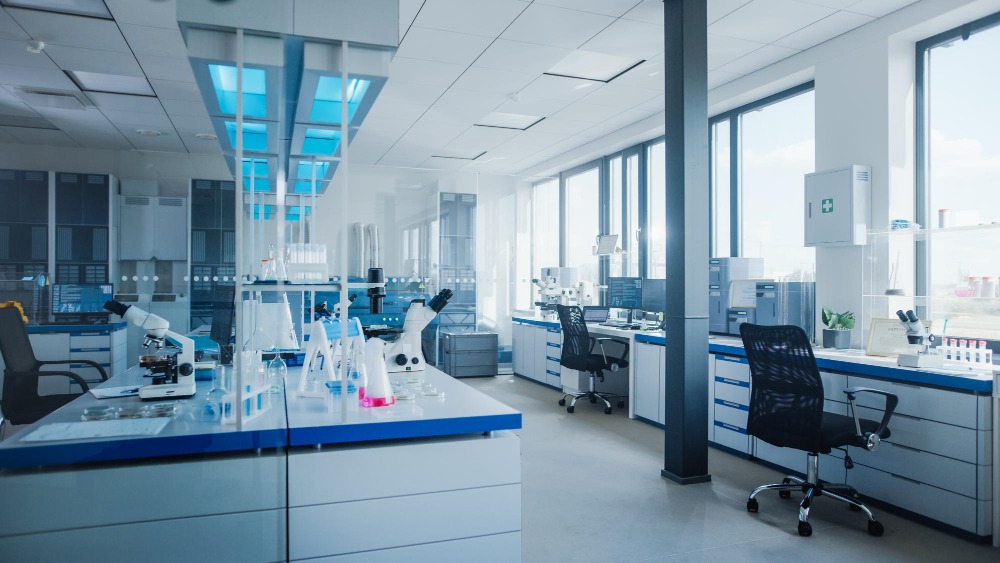
A well-structured laboratory begins with proper space planning. Laboratories should allow smooth movement, easy access to equipment, and clear separation of work zones. This ensures that Laboratories remain organized and efficient even during high-demand operations.

Ventilation and lighting are also critical factors. Laboratories must provide a comfortable environment for professionals who often work long hours. Proper airflow systems help maintain safety, especially in Laboratories handling chemicals or sensitive materials.

Storage solutions are equally important. Laboratories need organized systems to store tools, samples, and equipment safely. Without proper storage, Laboratories can quickly become cluttered, reducing efficiency and increasing risks.

Another key aspect is durability. Furniture and workstations in Laboratories must withstand daily use, exposure to chemicals, and constant movement. Penta ensures that Laboratories are built with materials that maintain performance over time.

Flexibility is becoming increasingly important. Modern Laboratories are designed to adapt to changing needs, allowing institutions to upgrade or modify spaces without major disruptions. This makes Laboratories future-ready and cost-effective.

Safety remains a top priority. Laboratories must include proper safety measures such as protective equipment zones, emergency systems, and clear pathways. Well-designed Laboratories reduce risks and create a secure working environment.

Key Features That Make Laboratories More Effective

To achieve high performance, Laboratories must include features that support both users and operations.

Essential Features of Laboratories:

  • Efficient layout planning for smooth workflow

  • Durable workstations for long-term use

  • Proper storage systems for organization

  • Safe and ergonomic working environments

  • Flexible designs for future expansion

These features ensure that Laboratories operate efficiently while supporting various applications, from education to research and healthcare.

Applications of Laboratories Across Industries

Laboratories are used in a wide range of sectors, each with unique requirements. In healthcare, Laboratories are essential for accurate diagnosis and patient care. In education, Laboratories provide students with hands-on learning experiences that improve understanding and skills.

Research institutions rely on Laboratories to develop new technologies and conduct experiments that drive innovation. Industrial sectors use Laboratories for testing, quality control, and product development.

Each of these environments requires specialized Laboratories designed to meet specific operational needs. Penta ensures that Laboratories are tailored to suit different industries while maintaining high standards of quality and performance.


Long-Term Value of Investing in Laboratories

Investing in well-designed Laboratories offers long-term benefits for organizations. Efficient Laboratories improve productivity, reduce operational errors, and enhance overall performance.

Durability is another advantage. High-quality Laboratories require less maintenance and provide consistent performance over time. This reduces costs and ensures reliability.

Modern Laboratories also contribute to better user experience. Comfortable and well-organized environments allow professionals to focus on their work without unnecessary distractions.

Additionally, Laboratories that meet international standards help institutions build credibility and trust. This is especially important in healthcare and research sectors where accuracy and compliance are critical.


Why Penta is the Right Choice for Laboratories

Penta brings expertise, innovation, and reliability to every project. With a focus on quality and customization, Penta delivers Laboratories that meet both current and future needs.

Key Advantages of Choosing Penta:

  • Customized solutions for different industries

  • High-quality materials and construction

  • Focus on safety and efficiency

  • Flexible and scalable designs

  • Professional installation and support

Penta ensures that Laboratories are not only functional but also designed to support long-term growth and innovation.


Conclusion

Laboratories are essential spaces that support discovery, learning, and progress. From healthcare to education and industry, well-designed Laboratories make a significant difference in performance and outcomes. By investing in high-quality infrastructure, organizations can ensure efficiency, safety, and long-term success.

With expertise and a commitment to excellence, Penta delivers Laboratories that are built to perform, adapt, and grow with evolving demands.



Advanced Laboratory Solutions for Modern Research, Healthcare, and Education Building Smart, Safe, and Future-Ready Laboratory Environments Introduction In today’s rapidly evolving world, laboratories have become essential spaces that support innovation, education, and healthcare advancements. From scientific discoveries to medical diagnostics, these environments play a critical role in shaping industries and improving quality of life. A well-designed laboratory is not just a workspace; it is a carefully planned environment that promotes accuracy, safety, and efficiency. Modern institutions understand that practical application is just as important as theoretical knowledge. This is why laboratories are designed to provide hands-on experiences, enabling users to test, analyze, and innovate with confidence. Whether in schools, universities, hospitals, or industrial facilities, having a properly structured lab ensures better outcomes and improved performance. Designing Efficient and Functional Laboratory Spaces Creating an effective laboratory begins with thoughtful planning and intelligent design. Every detail, from layout to material selection, contributes to the overall performance of the space. A well-organized laboratory ensures smooth workflow, minimizes errors, and enhances productivity. One of the most important aspects of laboratory design is space utilization. Work areas must be clearly defined to allow seamless movement and easy access to tools and equipment. Proper zoning helps separate different activities, such as experimentation, storage, and analysis, ensuring that operations run efficiently without interference. Ergonomics also plays a significant role in laboratory environments. Professionals often spend long hours working, so furniture and workstations must be designed for comfort and ease of use. Adjustable tables, supportive seating, and strategically placed equipment reduce physical strain and improve overall performance. Lighting and ventilation are equally crucial. Adequate lighting ensures precision in tasks, while proper ventilation maintains air quality and safety. This is especially important in environments where chemicals or sensitive materials are handled. A well-ventilated space reduces health risks and creates a more comfortable working atmosphere. Durability is another key factor. Laboratory furniture and surfaces must withstand constant use, exposure to chemicals, and varying temperatures. High-quality materials ensure longevity and reduce maintenance costs, making them a valuable investment for any institution. Importance of Safety in Laboratory Environments Safety is a top priority in any laboratory setting. A secure environment not only protects users but also ensures the reliability of results. Proper safety measures must be integrated into the design and daily operations of the lab. Clear safety protocols and accessible emergency equipment are essential. This includes fire safety systems, first aid kits, and emergency exits. These elements help prevent accidents and ensure quick responses in case of emergencies. Storage systems also contribute to safety. Properly organized storage prevents contamination, reduces clutter, and ensures that hazardous materials are handled correctly. Labeling systems and designated storage areas make it easier to manage resources efficiently. Training and awareness are equally important. Users must be educated on proper procedures, equipment handling, and safety guidelines. A well-informed team is better equipped to maintain a safe and productive environment. Applications Across Different Sectors Laboratories serve a wide range of industries, each with unique requirements and objectives. In the healthcare sector, they are essential for diagnosing diseases, conducting tests, and supporting patient care. Accuracy and reliability are critical in these environments, as results directly impact treatment decisions. In educational institutions, laboratories provide students with practical learning experiences. These spaces help bridge the gap between theory and real-world application, enabling learners to develop critical thinking and problem-solving skills. Research facilities rely heavily on laboratories to conduct experiments and develop new technologies. These environments must support innovation by providing advanced tools and flexible layouts that can adapt to evolving needs. Industrial sectors also depend on laboratories for quality control and product development. Testing materials, analyzing results, and ensuring compliance with standards are key functions that contribute to overall business success. Role of Technology in Modern Laboratories Technology has transformed the way laboratories operate. Advanced systems and digital tools have improved accuracy, efficiency, and data management. Automated equipment reduces manual effort, while digital monitoring systems ensure precise control over processes. Data management systems allow users to record, analyze, and store information efficiently. This not only improves accuracy but also enables better decision-making. With digital integration, laboratories can streamline operations and reduce the chances of human error. Virtual tools and simulation technologies are also becoming more common, especially in educational settings. These tools provide additional learning opportunities and allow users to practice complex procedures in a controlled environment. Benefits of Well-Planned Laboratory Infrastructure Investing in a well-designed laboratory offers numerous long-term benefits. One of the most significant advantages is improved efficiency. A structured environment allows users to work more effectively, reducing time and effort while increasing productivity. Another benefit is enhanced safety. Proper design and equipment minimize risks and create a secure working environment. This not only protects users but also ensures compliance with industry standards. Durability and cost-effectiveness are also important factors. High-quality infrastructure reduces maintenance requirements and extends the lifespan of the facility. This makes it a valuable investment for organizations looking to achieve long-term success. Additionally, a well-designed laboratory improves user experience. Comfortable and organized spaces allow professionals to focus on their tasks without distractions. This leads to better performance and higher satisfaction levels. Customization and Future-Ready Design Every laboratory has unique requirements based on its purpose and industry. Customization ensures that the space meets specific needs and supports efficient operations. From layout design to furniture selection, every element can be tailored to create an optimal working environment. Flexibility is a key aspect of modern design. As industries evolve, laboratories must be able to adapt to new technologies and processes. Modular designs allow for easy modifications, ensuring that the facility remains relevant over time. Future-ready laboratories are designed with scalability in mind. This means they can expand or upgrade without major disruptions. By planning for future needs, organizations can avoid costly renovations and maintain continuous operations. Sustainability in Laboratory Design Sustainability is becoming increasingly important in laboratory planning. Energy-efficient systems, eco-friendly materials, and waste management practices contribute to a more sustainable environment. Efficient lighting and ventilation systems reduce energy consumption, while durable materials minimize waste. Proper waste disposal systems ensure that harmful substances are handled responsibly, protecting both the environment and users. Sustainable design not only benefits the environment but also reduces operational costs. By adopting eco-friendly practices, organizations can achieve long-term savings while contributing to a greener future. Why Choose Professional Solutions Designing and setting up a laboratory requires expertise and attention to detail. Professional solutions ensure that every aspect of the facility is planned and executed to meet industry standards. Experienced providers offer end-to-end services, including planning, design, installation, and maintenance. This ensures consistency and quality throughout the project. With expert guidance, organizations can avoid common mistakes and achieve optimal results. Professional solutions also focus on innovation and efficiency. By incorporating the latest technologies and design trends, they create environments that support growth and development. Conclusion Laboratories are essential spaces that drive progress in healthcare, education, research, and industry. A well-designed laboratory enhances productivity, ensures safety, and supports innovation. By focusing on proper planning, advanced technology, and sustainable practices, organizations can create environments that meet modern demands and future challenges. Investing in high-quality laboratory infrastructure is not just about building a workspace; it is about creating a foundation for success. With the right approach, laboratories can become powerful tools that enable discovery, learning, and growth for years to come.Enhancing Workflow and Productivity in Laboratory Environments A well-organized laboratory is essential for maintaining smooth operations and achieving accurate results. Workflow efficiency directly impacts the quality of work produced, making it a critical factor in laboratory design. When spaces are structured thoughtfully, professionals can perform tasks more quickly and with fewer errors. One of the key elements of workflow optimization is logical arrangement. Equipment, tools, and workstations should be placed based on the sequence of tasks. This reduces unnecessary movement and saves time during procedures. For example, placing frequently used tools within easy reach allows users to focus more on their work rather than searching for materials. Clear pathways and uncluttered spaces also contribute to efficiency. Laboratories that are overcrowded or poorly organized can lead to confusion, delays, and even safety hazards. By maintaining a clean and structured environment, institutions can improve both productivity and safety simultaneously. Another important factor is accessibility. Storage units, cabinets, and shelves should be designed to allow easy access while maintaining organization. Proper labeling systems further enhance efficiency by ensuring that items can be quickly identified and retrieved when needed. Technology integration also plays a significant role in improving workflow. Automated systems reduce manual effort and streamline repetitive tasks, allowing professionals to focus on more complex and critical activities. Digital tools for data recording and analysis further enhance efficiency by minimizing errors and improving accuracy. Importance of Material Selection and Durability The choice of materials used in laboratory construction has a direct impact on performance, safety, and longevity. Laboratories are exposed to various conditions, including chemical spills, heat, and constant usage. Therefore, selecting durable and resistant materials is essential. Work surfaces must be designed to withstand harsh conditions without deteriorating. Materials that are resistant to chemicals, scratches, and moisture ensure that the laboratory remains functional over time. This reduces maintenance costs and ensures consistent performance. Furniture also plays a crucial role in durability. Chairs, tables, and storage units must be sturdy enough to handle daily use while maintaining comfort and usability. High-quality materials not only enhance the lifespan of furniture but also contribute to a professional and organized appearance. Another important consideration is ease of maintenance. Laboratories require regular cleaning to maintain hygiene and safety standards. Materials that are easy to clean and resistant to stains help maintain a clean environment with minimal effort. Investing in durable materials may require a higher initial cost, but it provides long-term benefits by reducing the need for frequent repairs or replacements. This makes it a cost-effective choice for institutions aiming for sustainability and efficiency. Creating User-Centric Laboratory Designs A successful laboratory is one that prioritizes the needs of its users. User-centric design focuses on creating environments that are comfortable, efficient, and easy to navigate. One of the main aspects of user-centric design is ergonomics. Workstations should be adjustable to accommodate different users, ensuring comfort during long working hours. Proper seating, table heights, and equipment placement reduce physical strain and improve overall performance. Lighting also plays a significant role in user experience. Natural lighting, combined with well-placed artificial lights, enhances visibility and reduces eye strain. This is especially important for tasks that require precision and attention to detail. Noise control is another factor that is often overlooked. Laboratories can become noisy due to equipment and activities. Designing spaces with sound-absorbing materials helps create a more focused and comfortable environment. User-centric design also considers accessibility for individuals with different abilities. Ensuring that the laboratory is inclusive and easy to use for everyone enhances its functionality and usability. The Role of Organization in Laboratory Efficiency Organization is a fundamental aspect of any successful laboratory. Without proper organization, even the most advanced facilities can become inefficient and difficult to manage. Storage systems should be designed to categorize and separate different types of materials. This prevents cross-contamination and ensures that items are stored safely. Organized storage also makes it easier to track inventory and manage resources effectively. Labeling systems are equally important. Clear and consistent labels help users quickly identify items, reducing the time spent searching for tools or materials. This not only improves efficiency but also minimizes the risk of errors. Regular audits and maintenance checks further enhance organization. By reviewing storage systems and equipment regularly, institutions can identify issues early and maintain optimal performance. Adapting Laboratories to Future Needs As technology and industry requirements continue to evolve, laboratories must be designed to adapt to future changes. Flexibility is a key factor in ensuring long-term usability and relevance. Modular designs allow laboratories to be reconfigured easily. This means that spaces can be adjusted or expanded without major renovations. Such flexibility is particularly important in research environments where requirements can change rapidly. Integration of advanced technologies is another aspect of future readiness. Laboratories must be equipped to incorporate new tools and systems as they become available. This ensures that institutions remain competitive and capable of handling modern challenges. Scalability is also important. Laboratories should be designed to accommodate growth, whether it involves adding new equipment or expanding operations. Planning for scalability ensures that the facility can evolve without disrupting existing processes. Importance of Collaboration and Teamwork Spaces Modern laboratories are no longer isolated work environments. Collaboration and teamwork have become essential components of research and innovation. Designing spaces that encourage interaction can significantly enhance productivity and creativity. Collaborative areas allow professionals to share ideas, discuss findings, and work together on complex projects. These spaces can include meeting areas, discussion zones, and shared workstations. Open layouts can also promote communication, but they must be balanced with the need for focused work. Providing a mix of open and private spaces ensures that users can collaborate when needed while still having areas for concentration. Technology supports collaboration by enabling real-time communication and data sharing. Digital tools and integrated systems allow teams to work together more effectively, even in large or multi-location facilities. Maintaining Quality and Compliance Standards Laboratories must adhere to strict quality and compliance standards to ensure safety and reliability. These standards vary depending on the industry but generally focus on maintaining accuracy, safety, and consistency. Regular inspections and maintenance are essential for ensuring compliance. Equipment must be checked and calibrated to maintain accuracy, while safety systems must be tested to ensure functionality. Documentation is another critical aspect. Keeping detailed records of procedures, results, and maintenance activities helps maintain transparency and accountability. This is particularly important in regulated industries such as healthcare and pharmaceuticals. Training also plays a vital role in maintaining standards. Users must be educated on proper procedures, safety protocols, and equipment usage. Continuous training ensures that staff remain updated with the latest practices and regulations. The Impact of Laboratory Design on Innovation The design of a laboratory can significantly influence the level of innovation within an organization. A well-designed environment encourages creativity, experimentation, and problem-solving. Flexible layouts allow users to explore new ideas and approaches without being restricted by space limitations. Access to advanced tools and equipment further enhances the ability to innovate. Comfortable and well-organized spaces also contribute to innovation by reducing stress and distractions. When users can focus on their work without obstacles, they are more likely to produce high-quality results. In addition, collaborative spaces encourage the exchange of ideas, leading to new perspectives and solutions. By fostering a culture of collaboration and creativity, laboratories can become hubs of innovation and progress. Conclusion Laboratories are more than just functional spaces; they are environments that support discovery, learning, and growth. By focusing on efficient design, durability, user comfort, and future adaptability, institutions can create laboratories that deliver long-term value. A well-planned laboratory enhances productivity, ensures safety, and promotes innovation. It provides professionals with the tools and environment they need to perform at their best. As industries continue to evolve, investing in high-quality laboratory infrastructure will remain a key factor in achieving success.

Why should you choose Penta for high-quality Laboratories solutions?

You should choose Penta for Laboratories solutions because Penta delivers well-designed, durable, and efficient laboratory environments tailored to different industries. Penta focuses on safety, functionality, and long-term performance, ensuring that Laboratories meet modern standards while supporting research, education, and healthcare needs effectively.

What Are the Key Components of Laboratories?

ComponentPurposeBenefitsApplication
Laboratory WorkstationsSupports daily tasks and experimentsImproves efficiency and workflowResearch & Educational Laboratories
Storage SystemsOrganizes tools and materialsReduces clutter and enhances safetyMedical & Industrial Laboratories
Safety EquipmentEnsures secure working environmentMinimizes risks and accidentsChemical & Scientific Laboratories
Laboratory Design & LayoutOptimizes space and movementEnhances productivity and usabilityAll types of Laboratories