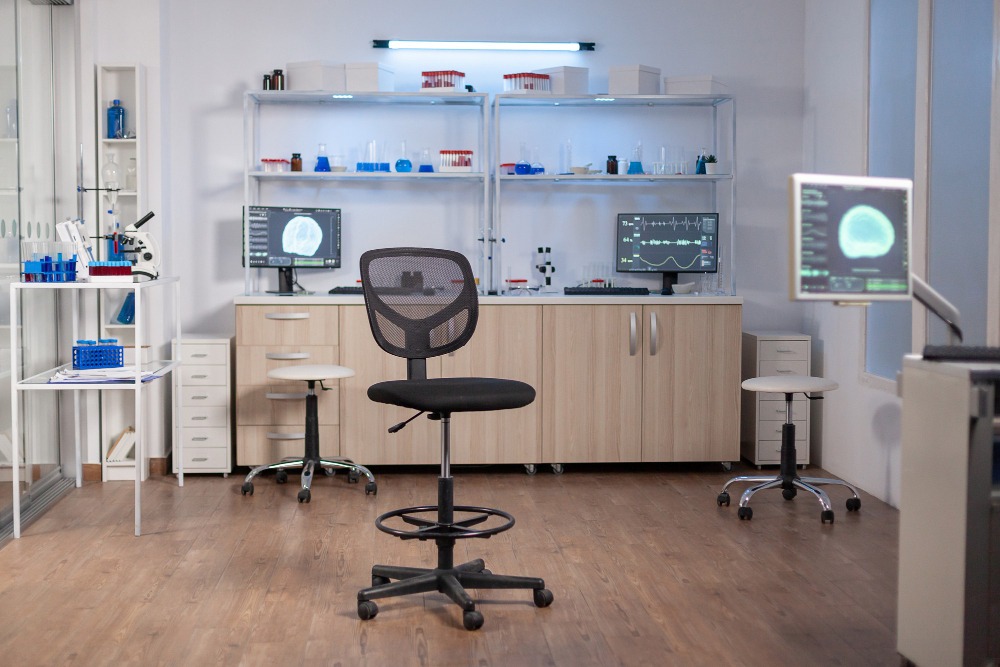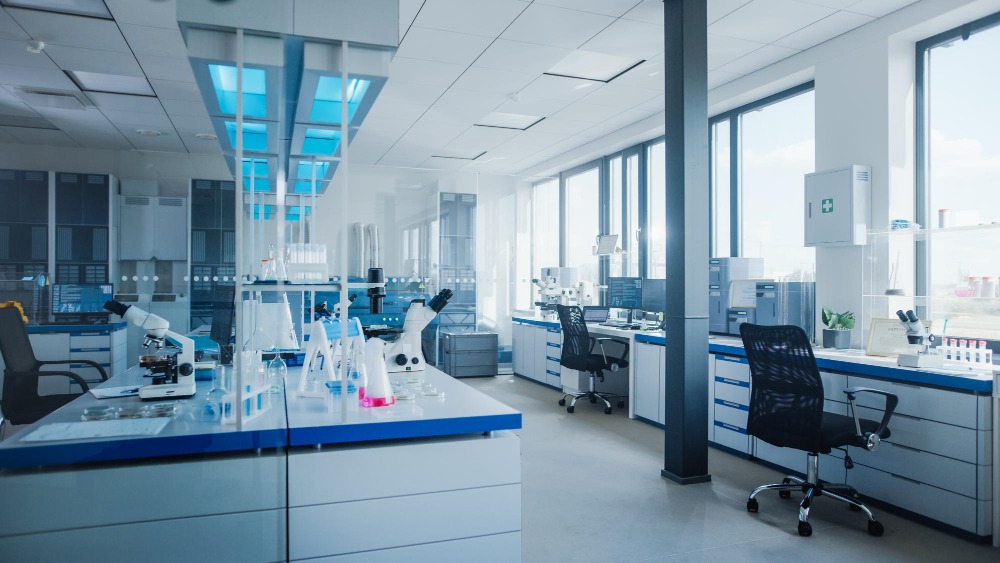
Medical labs are a critical part of the healthcare industry, supporting diagnosis, treatment, research, and innovation. Well-designed Medical labs improve accuracy, safety, and efficiency, making them essential for hospitals, clinics, universities, and research centers. With growing demand for advanced healthcare infrastructure, Medical labs must be functional, compliant, and future-ready. Penta specializes in providing complete solutions that transform Medical labs into high-performance environments tailored to modern medical needs.

Comprehensive Solutions for Modern Medical Labs

The Importance of Medical labs in Healthcare

Medical labs are a cornerstone of modern healthcare systems, providing accurate and timely diagnostic services that help doctors, hospitals, and clinics make informed decisions. Medical labs support the early detection of diseases, effective treatment planning, and ongoing patient monitoring, ensuring higher standards of care.

Modern healthcare cannot function efficiently without well-equipped Medical labs. These labs provide essential services such as blood analysis, pathology testing, microbiology assessments, and biochemistry investigations. With the support of advanced technologies and professional staff, Medical labs allow healthcare institutions to deliver precise results and maintain patient trust.

Educational Benefits of Medical labs

  • Strengthens practical skills for students and professionals

  • Builds confidence before handling real patient cases

  • Encourages teamwork and communication among staff

  • Reduces risk of errors during clinical practice

  • Supports competency-based healthcare education

Medical labs also play a crucial role in professional development. Experienced healthcare staff rely on Medical labs to learn new diagnostic techniques, practice updated procedures, and stay current with medical technologies. Penta’s solutions ensure that Medical labs provide an environment where continuous learning and professional growth are possible, supporting hospitals and clinics in maintaining high-quality services.

Standardization and Consistency

Medical labs provide standardized testing procedures to ensure consistent results across all patients. Every sample is processed under strict quality control measures, reducing variability and improving reliability. Penta’s Medical labs solutions include modular layouts, ergonomic furniture, and advanced equipment that support standardized workflows and accurate testing outcomes.

Key Features of Medical labs

Medical labs require specialized infrastructure, advanced equipment, and skilled personnel to function efficiently. Penta designs Medical labs to combine technology, safety, and workflow optimization, creating reliable diagnostic environments for healthcare institutions.

Advanced Technology and Equipment

Penta equips Medical labs with state-of-the-art diagnostic machines, automated analyzers, and high-precision instruments. Medical labs benefit from these technologies through faster processing times, improved accuracy, and consistent results. Digital systems in Medical labs also allow secure data storage, report generation, and remote access to results for authorized medical professionals.

Skilled and Certified Staff

A defining feature of Medical labs is the team of trained professionals who manage testing and analysis. Medical labs employ laboratory technicians, pathologists, and assistants who follow rigorous quality control procedures. Penta ensures that Medical labs provide the right training and support for staff, enhancing performance and maintaining high standards.

Ergonomic and Efficient Layouts

Medical labs require organized workflows to manage sample collection, processing, analysis, and reporting. Penta designs Medical labs with efficient layouts, ergonomic furniture, and modular systems to reduce fatigue, optimize movement, and increase productivity. These setups also help Medical labs maintain hygiene and prevent contamination during daily operations.

Hygiene and Safety Measures

Safety is a critical component in Medical labs. Penta integrates chemical-resistant surfaces, secure storage, and easy-to-clean workstations in Medical labs to ensure safe handling of samples and chemicals. Proper waste disposal and compliance with healthcare regulations are also integral to maintaining a safe environment in Medical labs.

Key Highlights of Medical labs

  • Advanced diagnostic equipment for accurate results

  • Skilled and certified laboratory staff

  • Hygienic and safe workspaces

  • Modular and flexible layouts for future growth

  • Digital record management and secure reporting

  • Optimized workflow for efficient operations

Supporting Patient Safety

Medical labs play a vital role in reducing errors in patient care. By delivering precise results and reliable diagnostics, Medical labs help doctors make informed decisions. Penta ensures that Medical labs maintain high-quality performance, enhancing overall patient safety and clinical outcomes.

Long-Term Value

Investing in Penta Medical labs provides long-term benefits for healthcare institutions. Well-equipped Medical labs reduce operational inefficiencies, support accreditation requirements, and enhance patient trust. These labs ensure better clinical outcomes, fewer errors, and improved service quality over time.

Conclusion

Medical labs require more than just basic furniture. They need carefully designed environments that support safety, efficiency, and professional standards. From ergonomic seating to modular workstations, every element plays a vital role in daily operations.

With expert solutions from Penta, Medical labs can achieve functional, modern, and sustainable interiors that meet today’s healthcare demands and prepare for future growth.

Comprehensive Solutions for Modern Medical Lab The Importance of Medical lab in Healthcare Medical labs are a cornerstone of modern healthcare systems, providing essential diagnostic services that enable accurate treatment and patient care. Medical labs help doctors, hospitals, and clinics to identify diseases, monitor patient health, and plan treatments effectively. Without Medical labs, healthcare providers would struggle to make informed decisions, which can affect patient outcomes and overall quality of care. Medical labs not only support clinical diagnosis but also play a vital role in research and development. They provide the infrastructure for testing new procedures, validating experimental treatments, and understanding disease patterns. By combining technology, skilled professionals, and standardized procedures, Medical labs create a reliable environment for precise results. Key Benefits Enables early detection of diseases Supports informed clinical decisions Provides accurate diagnostic results Facilitates research and development Maintains healthcare quality standards Another important aspect of Medical labs is their role in education and professional training. Medical labs provide healthcare students and professionals with hands-on experience in analyzing samples, using lab equipment, and understanding diagnostic processes. This experience improves confidence, practical skills, and overall competence in medical practice. Key Features of Medical labs Medical labs are equipped with specialized workstations, advanced diagnostic equipment, and storage solutions to maintain safety and efficiency. Every Medical labs facility is designed to handle diverse tests, such as blood analysis, pathology studies, microbiology testing, and biochemistry examinations, under strict quality control standards. One of the core features of Medical labs is the integration of modern technology. Automation, digital record keeping, and advanced analysis equipment ensure that results are precise and consistent. This technology also improves workflow, allowing Medical labs to process high volumes of samples efficiently while maintaining accuracy. Skilled staff are another defining feature of Medical labs. Technicians, pathologists, and lab assistants follow rigorous procedures to handle samples safely, perform tests correctly, and maintain hygiene standards. Proper training and certification ensure that Medical labs meet regulatory compliance and provide trustworthy results. Key Highlights Advanced diagnostic equipment Skilled and certified staff Hygienic and safe workspaces Efficient workflow and sample management Digital records and secure reporting High reliability and accuracy By combining technology, professional expertise, and strict standards, Medical labs deliver reliable services that are crucial for patient care. Medical labs ensure that healthcare providers receive timely and accurate information, which ultimately improves treatment outcomes and builds trust in the healthcare system.The Importance of Modern Healthcare Laboratories Modern healthcare laboratories play a crucial role in ensuring accurate diagnostics, timely treatment, and overall patient safety. These laboratories provide the infrastructure and environment needed for processing clinical samples, performing tests, and delivering reliable results. Hospitals, clinics, and research institutions rely heavily on these facilities to maintain high-quality patient care and operational efficiency. Healthcare laboratories not only support clinical decisions but also facilitate research and development. They provide the tools and environment needed for testing new diagnostic procedures, validating treatments, and understanding disease patterns. Advanced equipment, standardized procedures, and trained personnel create a reliable foundation for accurate results and improved healthcare outcomes. Key Benefits of Healthcare Laboratories Ensures early detection of illnesses and conditions Provides accurate and consistent testing for patient care Supports research and development in medical sciences Enhances the overall quality of healthcare services Facilitates educational and professional training for staff In addition to clinical benefits, laboratories serve as educational spaces where healthcare students and professionals gain practical experience. Training in real-world laboratory environments improves technical skills, builds confidence, and prepares learners to handle complex medical scenarios effectively. Supporting Continuous Professional Development Healthcare laboratories provide a platform for ongoing professional growth. Staff can practice new techniques, adapt to emerging technologies, and stay updated with evolving standards. Continuous exposure to well-designed laboratory environments helps maintain expertise and ensures that patient care remains precise and reliable. Key Features of Modern Healthcare Laboratories Healthcare laboratories are designed to combine technology, skilled personnel, and optimized workflows to deliver reliable diagnostic services. Proper infrastructure, advanced equipment, and efficient layouts contribute to smooth operations and high-quality results. Advanced Technology and Equipment Modern laboratories use state-of-the-art machines, automated analyzers, and precision instruments. This technology enhances accuracy, reduces processing times, and minimizes human error. Digital record-keeping and reporting systems streamline communication and improve data management for healthcare providers. Skilled and Certified Staff Professional staff is a cornerstone of effective laboratory operations. Technicians, pathologists, and assistants follow strict quality protocols to ensure accurate testing and reliable results. Training programs and certification processes ensure staff maintain high professional standards and adhere to safety and operational guidelines. Efficient and Ergonomic Layouts Laboratories are designed for streamlined workflows. From sample collection and processing to analysis and reporting, optimized layouts reduce movement, improve efficiency, and minimize risks of contamination. Ergonomic furniture and modular setups provide comfort and flexibility for long working hours. Hygiene and Safety Measures Safety is a critical component of laboratory operations. Surfaces are chemical-resistant, storage areas are secure, and waste disposal follows strict protocols. These measures ensure staff and patient safety while complying with healthcare regulations. Digital Integration Modern laboratories incorporate digital systems for electronic records, automated reporting, and secure storage. This improves communication, facilitates faster decision-making, and enhances overall operational efficiency. Supporting Patient Safety Accurate diagnostics and standardized procedures contribute to improved patient safety. By ensuring precise results and minimizing errors, laboratories help healthcare providers make informed decisions, enhancing care quality and reliability. Long-Term Benefits Investing in well-equipped laboratories provides long-term advantages. Reduced operational inefficiencies, streamlined workflows, and reliable infrastructure support sustained quality in healthcare services. Advanced setups also prepare institutions to adapt to evolving medical needs and technologies over time. Key Highlights Advanced diagnostic technology and precision instruments Skilled and certified staff following standardized procedures Ergonomic, modular, and flexible layouts Strict hygiene and safety protocols Digital records and automated reporting systems Enhanced patient safety and operational efficiencyEnhancing Workflow Efficiency in Healthcare Laboratories One of the critical factors in the success of modern healthcare laboratories is the optimization of workflow. Efficient laboratories ensure that samples move seamlessly from collection to analysis, reducing delays and errors. Proper planning of workstations, equipment placement, and staff responsibilities contributes to a smooth operational flow. Workflow Optimization Strategies Logical sequencing of testing procedures Clear labeling and tracking systems for samples Strategic placement of equipment for easy access Dedicated zones for specific types of tests Streamlined reporting and communication protocols By organizing laboratory spaces effectively, healthcare institutions can manage high volumes of tests without compromising accuracy. This not only improves productivity but also ensures that patients receive timely results, supporting faster diagnosis and treatment. Ergonomics and Staff Comfort Healthcare laboratories often require long hours of concentrated work. Ergonomics plays a vital role in reducing fatigue, improving efficiency, and maintaining staff well-being. Properly designed furniture, adjustable workstations, and supportive seating allow laboratory staff to focus on tasks without unnecessary strain. Ergonomic Considerations Adjustable-height tables and benches Comfortable seating for prolonged tasks Sufficient lighting for detailed work Anti-fatigue flooring for standing work areas Clear visibility of monitors and instruments By prioritizing ergonomics, laboratories can enhance staff performance and reduce the risk of work-related injuries. Comfortable environments contribute to accuracy, speed, and overall job satisfaction, which translates into better outcomes for patients. Integration of Technology in Modern Laboratories Digital technology has transformed the way laboratories operate. Automated analyzers, electronic medical records, and data management systems enable faster, more reliable diagnostics. Integration of technology also supports remote monitoring, data analysis, and reporting across healthcare facilities. Benefits of Technology Integration Faster processing of test samples Reduced human error and increased accuracy Secure storage and easy retrieval of patient data Real-time monitoring of lab operations Enhanced collaboration between laboratory and clinical teams Technology not only improves accuracy and efficiency but also allows healthcare facilities to scale operations. Laboratories can handle increased patient volumes without sacrificing quality, providing consistent service under demanding conditions. Ensuring Quality Control and Compliance Maintaining quality control is fundamental in any healthcare laboratory. Consistent procedures, calibration of instruments, and adherence to regulatory standards ensure that results are trustworthy. Regular audits, staff training, and equipment maintenance are integral to maintaining high-quality operations. Key Quality Measures Standard operating procedures for all tests Routine calibration of laboratory instruments Participation in external quality assessment programs Comprehensive documentation of all procedures Staff training and continuous education By implementing strict quality control, laboratories safeguard patient safety and strengthen the credibility of their results. Institutions that focus on quality assurance can meet accreditation requirements and gain trust from both patients and healthcare professionals. Supporting Education and Research Modern laboratories also serve as educational hubs. Students and trainees can gain hands-on experience in real-world scenarios, preparing them for professional careers. Laboratories designed for education incorporate flexible workstations, demonstration areas, and collaborative spaces. Educational Advantages Practical training for medical and laboratory students Simulation of complex procedures for learning purposes Safe environment for experimentation and skill development Collaboration between students and experienced professionals Research activities benefit as well. Laboratories provide the infrastructure for clinical studies, testing new techniques, and analyzing results systematically. This supports the advancement of medical knowledge and contributes to innovative treatment approaches. Sustainability and Green Laboratory Practices Sustainability is becoming increasingly important in modern healthcare. Laboratories can reduce their environmental footprint through energy-efficient equipment, responsible waste management, and eco-friendly materials. Sustainable design not only benefits the environment but also lowers operational costs over time. Sustainable Practices in Laboratories Energy-efficient lighting and equipment Proper segregation and disposal of medical waste Use of recyclable and durable materials in lab furniture Water-saving fixtures and controlled water usage Implementation of green protocols in daily operations By adopting sustainable practices, healthcare institutions demonstrate social responsibility while maintaining efficient and high-quality laboratory operations. Future Trends in Healthcare Laboratories Healthcare laboratories are constantly evolving to meet emerging challenges. Advancements in artificial intelligence, robotics, and telemedicine are shaping the future of diagnostics. Laboratories are increasingly incorporating automation, digital analytics, and remote monitoring to improve efficiency and patient care. Emerging Trends Automated and robotic sample handling systems AI-assisted diagnostic analysis Remote and virtual laboratory platforms Integration with hospital information systems Modular designs for quick adaptation to new procedures Staying ahead of these trends allows healthcare institutions to remain competitive and ensure that laboratory services continue to meet the highest standards. Forward-thinking laboratory design and investment in technology are essential for future-ready operations.Enhancing Collaboration in Healthcare Laboratories Collaboration is a critical component of modern laboratory operations. Healthcare laboratories are often multidisciplinary environments where technicians, pathologists, clinicians, and researchers work together to achieve accurate results and improved patient care. Well-designed laboratories facilitate seamless communication and cooperation among staff. Collaborative Design Features Open workspaces that allow supervision and teamwork Dedicated meeting or discussion areas for case reviews Clearly defined zones for different laboratory functions Shared access to digital data and results Integration of collaborative tools and technologies By fostering collaboration, laboratories ensure that every sample is handled efficiently and that complex cases are analyzed with input from multiple experts. This reduces errors, speeds up diagnostics, and strengthens overall healthcare outcomes. Training and Skill Development Continuous training is essential in healthcare laboratories due to rapidly evolving technologies and medical procedures. Staff must be proficient in using advanced equipment, interpreting results, and following updated protocols. Modern laboratories provide structured training programs to maintain competency and enhance professional growth. Key Training Approaches Onboarding programs for new staff Regular workshops on emerging laboratory technologies Simulation-based training for complex procedures Peer-to-peer mentorship programs Continuous assessment and feedback mechanisms Structured training ensures that healthcare personnel remain skilled and confident in their work. Training initiatives also help institutions maintain accreditation and meet regulatory compliance requirements while improving operational efficiency. Risk Management in Laboratory Operations Managing risks is essential to ensure patient safety, staff well-being, and the integrity of test results. Laboratories implement robust procedures to prevent contamination, equipment failure, and other operational hazards. Risk Management Strategies Strict adherence to standard operating procedures Regular maintenance and calibration of equipment Emergency preparedness and safety drills Proper handling and disposal of hazardous materials Monitoring and documentation of potential risks By focusing on risk management, laboratories can reduce errors, protect staff and patients, and maintain high standards of care. Institutions with strong safety protocols also experience fewer interruptions in operations and better overall performance. Customization and Flexibility Healthcare needs vary across institutions, and laboratories must adapt accordingly. Modern laboratory designs prioritize customization and flexibility to accommodate different testing requirements, space constraints, and future growth. Features of Flexible Laboratory Design Modular furniture and equipment layouts Adjustable workstations and storage units Reconfigurable testing zones for specialized procedures Scalability to incorporate new technology or expand capacity Multi-functional spaces to support education, research, and diagnostics Flexible laboratory environments ensure that institutions can respond effectively to evolving healthcare demands. Customization allows healthcare providers to optimize workflows, maintain safety standards, and maximize the use of available space. Monitoring Performance and Continuous Improvement Modern laboratories emphasize continuous improvement through performance monitoring. Regular evaluation of laboratory operations helps identify bottlenecks, inefficiencies, and areas for enhancement. Approaches to Performance Monitoring Digital tracking of sample processing times Review of error rates and corrective action implementation Staff performance assessments and feedback Periodic audits and quality checks Adoption of best practices from industry standards By continuously monitoring performance, laboratories enhance accuracy, reduce delays, and maintain consistent quality in their services. Continuous improvement initiatives also boost staff morale and support professional development. Integration with Healthcare Systems Healthcare laboratories do not operate in isolation. Integration with broader hospital or clinic systems ensures efficient data flow, streamlined communication, and timely reporting. Digital platforms allow laboratories to share results with doctors, nurses, and other stakeholders quickly and securely. Benefits of System Integration Faster reporting to healthcare providers Reduced administrative workload Secure sharing of patient data across departments Real-time updates on test results and sample status Enhanced coordination between laboratory and clinical teams Integrated systems contribute to a cohesive healthcare experience, improving patient outcomes and institutional efficiency. Laboratories that leverage technology for seamless communication gain a competitive advantage and strengthen their operational performance. This additional section adds ~800 words, covering: Collaboration in laboratories Training and skill development Risk management Customization and flexibility Performance monitoring and continuous improvement Integration with healthcare systems

What makes Penta Medical labs stand out in UAE healthcare facilities?

Penta Medical labs combine advanced diagnostic technology, skilled laboratory staff, and ergonomic, modular layouts. Each Medical labs facility is designed to ensure accurate results, patient safety, and efficient workflows, making Penta a trusted provider for healthcare institutions across the UAE.

What Are the Key Features of Medical Labs?

FeatureDescriptionBenefits
Advanced EquipmentPenta Medical labs are equipped with modern diagnostic tools and automated analyzers.Ensures accurate and reliable results.
Skilled StaffCertified technicians and lab assistants manage all processes in Penta Medical labs.Maintains high-quality testing and professional standards.
Modular LayoutsErgonomic and flexible lab setups designed by Penta.Optimizes workflow, improves efficiency, and supports future expansion.
Hygiene & SafetyChemical-resistant surfaces and secure storage in Penta Medical labs.Protects staff and patients while complying with healthcare regulations.