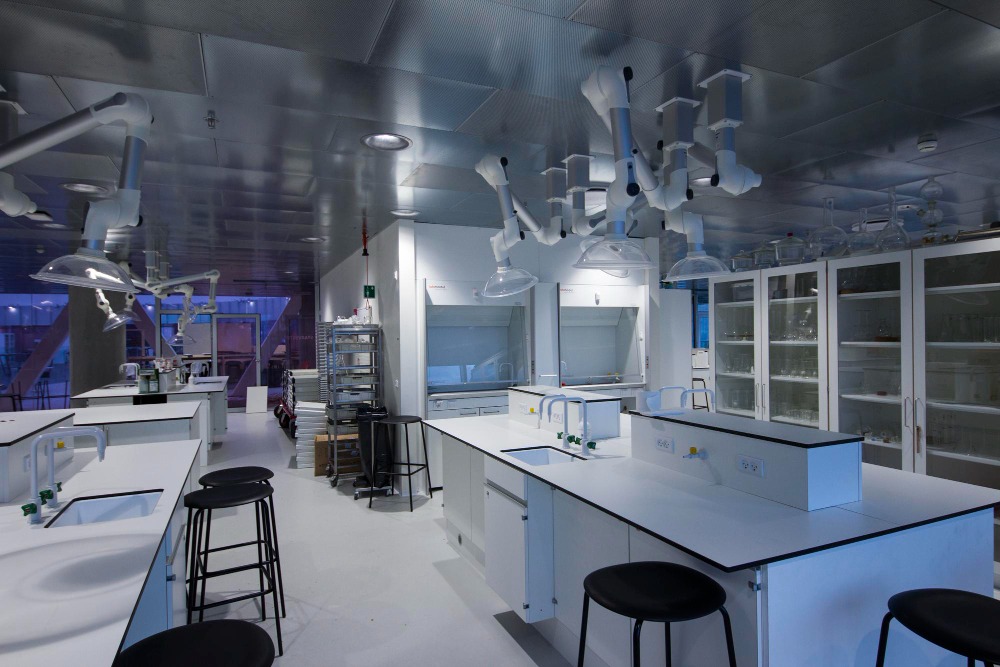
Advanced Educational Environments Designed to Support Practical Learning, Creativity, and Technology Skills

Robotics Labs UAE – Smart Learning Spaces for Future Innovation

Robotics labs UAE are rapidly becoming a core component of modern educational and training ecosystems, reflecting the growing importance of automation, artificial intelligence, and digital technologies across global industries. As schools, universities, and training institutes move toward more practical and skills-based learning models, robotics labs UAE provide an essential platform where students can transform theoretical knowledge into real-world applications.

The Growing Importance of Robotics Labs UAE in Modern Education

Why Robotics Is Essential Today

Robotics labs UAE are becoming one of the most important educational investments for institutions that want to prepare students for a technology-driven future. As automation, artificial intelligence, and digital systems continue to dominate industries, practical learning environments are essential. Robotics labs UAE provide students with real exposure to how machines, software, and systems interact in real-life scenarios.

Key Benefits of Robotics-Based Learning

Robotics labs UAE offer multiple advantages that go beyond traditional classrooms:

  • Encourages hands-on learning

  • Develops problem-solving skills

  • Builds logical and analytical thinking

  • Promotes creativity and innovation

  • Supports collaborative teamwork

Robotics labs UAE are no longer limited to higher education. Schools, training centers, and innovation hubs are integrating robotics into their learning models. This shift allows learners to move beyond theory and engage in practical problem-solving. Robotics labs UAE encourage experimentation and independent thinking, which are critical skills in today’s competitive world.

Role of Penta in Modern Learning Spaces

Penta plays a key role in developing high-quality robotics labs UAE by offering complete solutions that combine design, functionality, and long-term usability. Every space is carefully planned to ensure smooth workflow and efficient use of resources. Robotics labs UAE designed by Penta focus on user comfort, safety, and adaptability.

Collaborative Learning Environment

One of the major benefits of robotics labs UAE is their ability to promote collaborative learning. Students work in teams, share ideas, and build solutions together. This environment mirrors real professional settings where teamwork is essential. Robotics labs UAE help learners develop communication skills alongside technical knowledge.

Preparing for the Future

Robotics labs UAE also help institutions stay aligned with global education trends. Many international curricula now include robotics as a core subject. By investing in robotics labs UAE, educational organizations position themselves as modern, forward-thinking, and technologically advanced.

Turnkey Robotics Labs UAE Solutions by Penta

End-to-End Implementation

Penta delivers complete turnkey robotics labs UAE, managing every stage from planning to execution. This includes:

  • Space analysis and layout design

  • Furniture and workstation installation

  • System integration

  • Final testing and handover

By offering end-to-end services, Penta ensures that robotics labs UAE are ready for immediate use without operational delays.

Customization and Flexibility

Customization is one of the biggest strengths of Penta. Robotics labs UAE are designed based on the specific needs of each client. Whether the goal is basic learning or advanced research, robotics labs UAE can be adapted to support different objectives.

Ergonomics and Comfort

Robotics labs UAE by Penta focus heavily on ergonomics:

  • Proper seating and posture support

  • Organized layouts for smooth workflow

  • User-friendly workstation designs

These features reduce physical strain and improve concentration during long learning hours.

Durability and Safety Standards

Durability is another key feature of robotics labs UAE developed by Penta. High-quality materials ensure long-term performance even under heavy usage. Safety is a top priority, and robotics labs UAE follow international standards for secure and efficient working environments.

Long-Term Value for Institutions

Robotics labs UAE also support digital integration and future upgrades. These spaces are designed to remain relevant as technology evolves. Robotics labs UAE improve institutional reputation, attract students, and strengthen partnerships.

By choosing Penta, organizations invest in more than infrastructure—they invest in innovation, growth, and future-ready education through robotics labs UAE.

Conclusion

Modern learning environments demand more than traditional classrooms—they require spaces that inspire creativity, experimentation, and real-world application. Robotics-focused learning environments provide exactly that by bridging the gap between theory and practice. They empower students to think critically, solve complex problems, and develop future-ready skills in a hands-on way.

By investing in well-designed learning spaces, institutions can create a culture of innovation, collaboration, and continuous improvement. These environments not only enhance academic outcomes but also prepare learners to confidently step into technology-driven careers, making them a vital part of next-generation education.

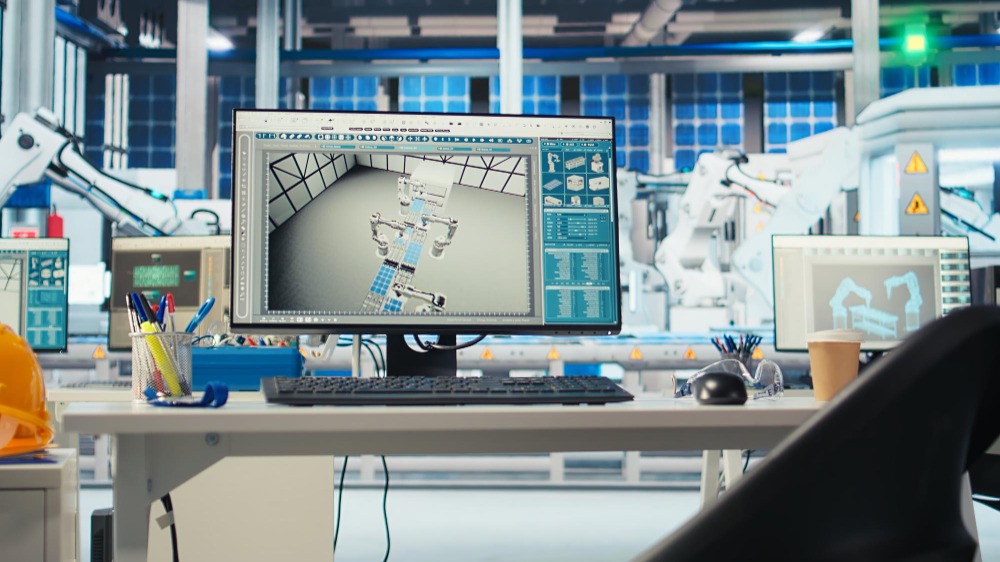
Robotics labs are becoming a crucial part of modern education and industrial development. With the rapid growth of automation, artificial intelligence, and smart technologies, Robotics labs provide the ideal environment for students and professionals to gain hands-on experience. Penta plays a key role in delivering high-quality Robotics labs UAE that meet international standards and future-ready learning requirements. Role of Penta in Robotics Labs Penta is a leading provider of Robotics labs , offering end-to-end solutions from planning to installation. With extensive experience in educational infrastructure, Penta designs Robotics labs that focus on safety, efficiency, and functionality. Penta ensures Robotics labs UAE are equipped with ergonomic furniture, smart layouts, and modern equipment. These Robotics labs UAE are customized according to client needs, whether for academic learning or industrial research. Features of Modern Robotics Labs Robotics labs are designed with flexible workstations, durable materials, and integrated technology. Penta’s Robotics labs UAE include modular benches, storage systems, and advanced electrical setups to support robotics equipment. Another key feature of Robotics labs UAE is space optimization. Well-planned Robotics labs UAE allow smooth movement, collaboration, and easy access to tools and components. This enhances productivity and learning outcomes. Robotics Labs UAE in Education In schools, Robotics labs UAE introduce students to coding, robotics kits, and basic automation concepts. These Robotics labs UAE inspire young minds to explore science and engineering fields. In colleges and universities, Robotics labs UAE support advanced research and project-based learning. Robotics labs UAE help students build prototypes, test algorithms, and work on real-time robotics applications. Robotics Labs UAE for Training and Research Robotics labs UAE are also widely used in professional training centers. Robotics labs UAE help employees and researchers upgrade their skills in robotics and automation. Industries benefit from Robotics labs UAE by using them for research, innovation, and product testing. Robotics labs UAE play a major role in developing smart systems and intelligent machines. Customization of Robotics Labs UAE Every institution has unique needs, and Penta understands this well. Robotics labs UAE are fully customizable in terms of layout, furniture, and technology integration. Penta ensures Robotics labs UAE meet international safety and quality standards. This makes Robotics labs UAE reliable, durable, and future-ready. Benefits of Investing in Robotics Labs UAE Robotics labs UAE improve learning outcomes and technical skills. They create opportunities for innovation, experimentation, and collaboration. Robotics labs UAE also enhance institutional reputation by offering modern learning facilities. With Robotics labs UAE, institutions attract students who are interested in advanced technology and engineering careers. Future of Robotics Labs UAE The future of Robotics labs UAE is closely linked to smart education and digital transformation. Robotics labs UAE will continue to evolve with AI, machine learning, and IoT technologies. Penta remains committed to delivering next-generation Robotics labs UAE that support innovation and sustainable development. Conclusion Robotics labs UAE are no longer optional; they are essential for modern education and industry. With expert solutions from Penta, Robotics labs UAE become powerful learning and research environments. By investing in Robotics labs UAE, institutions prepare learners for a technology-driven future while promoting creativity, innovation, and excellence.Robotics Labs UAE – Advanced Learning & Innovation Spaces by Penta Robotics labs UAE are rapidly transforming the way students, professionals, and researchers engage with technology. In today’s digital era, robotics is no longer limited to engineering fields alone; it has become an essential part of education, training, and industrial development. Robotics labs UAE provide a structured and well-equipped environment where learners can explore automation, artificial intelligence, programming, and mechanical design through practical experience. Penta delivers high-quality robotics labs UAE across educational institutions and training centers, focusing on modern design, safety, and long-term usability. These labs are developed to support hands-on learning, encourage experimentation, and promote innovation. Robotics labs UAE are designed with smart layouts that allow smooth workflow, proper equipment placement, and collaborative learning. This ensures that users can work efficiently while maintaining comfort and safety. Robotics labs UAE play a major role in building future-ready skills. Students gain exposure to real-world applications, improve logical thinking, and develop problem-solving abilities. Robotics labs UAE also help institutions stay competitive by offering advanced learning infrastructure that aligns with global education trends. With Penta’s expertise, robotics labs UAE are created to meet both academic and professional standards, making them suitable for schools, colleges, universities, and research centers. Turnkey Solutions for Robotics Labs UAE by Penta Penta offers complete turnkey solutions for robotics labs UAE, managing every stage from concept to completion. This includes space planning, layout design, furniture installation, equipment integration, and final commissioning. By providing end-to-end services, Penta ensures that robotics labs UAE are fully functional, efficient, and ready for immediate use without complications. One of the key strengths of Penta is customization. Robotics labs UAE are tailored based on the specific needs of each institution. Whether the requirement is for basic learning environments or advanced research facilities, robotics labs UAE are designed to support different user levels and objectives. The modular approach allows easy upgrades and future expansion, ensuring long-term value. Robotics labs UAE by Penta also focus on durability and safety. High-quality materials, ergonomic furniture, and well-organized layouts ensure that robotics labs UAE can withstand daily use while maintaining a professional appearance. These labs are built to comply with international standards, making them reliable for continuous academic and industrial applications. By investing in robotics labs UAE, institutions create a strong foundation for innovation, technical growth, and digital learning. With Penta as a trusted partner, robotics labs UAE become more than just classrooms—they become centers of creativity, experimentation, and technological excellence.Building Intelligent Learning Environments for the Next Generation Education is evolving faster than ever before. Traditional classrooms are being replaced by dynamic, interactive spaces where students actively engage with technology rather than passively consume information. These modern learning environments focus on practical application, real-world problem solving, and experiential education, helping learners develop skills that are directly relevant to future careers. Institutions today are expected to prepare students for industries shaped by automation, artificial intelligence, and digital systems. To achieve this, educational spaces must support hands-on exploration, experimentation, and collaborative learning. Smart learning environments bridge the gap between theory and practice by allowing students to work with real tools, systems, and workflows that mirror professional settings. The Shift from Theory to Practical Learning For decades, education relied heavily on textbooks, lectures, and examinations. While foundational knowledge remains important, employers increasingly seek individuals who can apply concepts in real situations. Practical learning allows students to test ideas, make mistakes, refine solutions, and build confidence through experience. Interactive environments encourage learners to take ownership of their education. Instead of memorizing facts, students become active participants in the learning process. This approach improves retention, boosts motivation, and fosters deeper understanding of complex subjects. Hands-on learning also supports diverse learning styles. Visual learners benefit from seeing systems in action, auditory learners gain from group discussions, and kinesthetic learners thrive when working directly with physical tools and equipment. Inclusive learning spaces accommodate all these styles, creating equal opportunities for success. Encouraging Innovation and Creativity Modern educational environments are not just about learning existing knowledge; they are about creating new ideas. When students are given the freedom to explore, experiment, and innovate, they develop creative thinking skills that are essential in today's rapidly changing world. Innovation-based learning spaces promote curiosity. Students are encouraged to ask questions, challenge assumptions, and explore multiple solutions to a single problem. This mindset prepares them for industries where adaptability and innovation are key competitive advantages. Creative environments also reduce fear of failure. Instead of being penalized for mistakes, learners are taught to view errors as valuable learning experiences. This builds resilience, confidence, and a growth mindset that benefits students throughout their personal and professional lives. The Importance of Collaboration Collaboration is a critical skill in modern workplaces. Most professional projects involve teamwork, communication, and shared problem-solving. Educational environments that promote group learning help students develop interpersonal skills alongside technical knowledge. Collaborative spaces allow learners to share ideas, divide tasks, and learn from one another. This mirrors real professional scenarios where individuals contribute unique perspectives to achieve common goals. Students learn how to communicate effectively, manage conflicts, and work productively within diverse teams. Team-based learning also enhances engagement. When students feel part of a group, they become more motivated and accountable. Shared success fosters a sense of belonging and encourages active participation in learning activities. Developing Critical Thinking Skills Critical thinking is one of the most valuable skills in any career. It involves analyzing information, evaluating options, and making informed decisions. Modern learning environments are designed to challenge students intellectually and encourage independent thinking. Instead of following rigid instructions, learners are given open-ended problems that require thoughtful analysis. They must identify issues, test solutions, and assess outcomes. This process strengthens logical reasoning and prepares students to handle complex real-world challenges. Critical thinking also supports lifelong learning. Individuals who can think independently are better equipped to adapt to new technologies, industries, and career paths over time. Preparing Students for Future Careers The job market is evolving rapidly. Many future careers do not yet exist, and traditional roles are being transformed by technology. Education must focus on transferable skills that remain relevant regardless of industry changes. Modern learning environments prepare students for this uncertainty by teaching adaptability, problem-solving, digital literacy, and collaboration. These skills enable individuals to learn new tools quickly, embrace innovation, and remain competitive throughout their careers. Students who gain practical experience early are more confident entering the workforce. They understand professional expectations, workplace dynamics, and real-world challenges. This reduces the gap between education and employment. The Role of Technology in Learning Spaces Technology plays a central role in shaping modern education. Digital tools allow students to access global resources, simulate complex systems, and collaborate across distances. Interactive platforms enhance engagement and personalize learning experiences. Smart learning environments integrate technology seamlessly into everyday activities. Students use digital tools not as distractions but as essential instruments for exploration and discovery. This prepares them for workplaces where technology is deeply embedded in daily operations. Technology also enables data-driven learning. Educators can track progress, identify strengths, and provide targeted support based on individual needs. This personalized approach improves learning outcomes and student satisfaction. Designing Effective Learning Environments Successful learning spaces are carefully designed to support both educational goals and user comfort. Layout, lighting, acoustics, and ergonomics all influence student performance and well-being. Well-designed environments reduce physical strain and mental fatigue. Comfortable seating, organized layouts, and intuitive workflows allow learners to focus on tasks without unnecessary distractions. Safety is also a priority, ensuring that students can explore confidently without risk. Flexibility is another key design principle. Spaces should adapt easily to different activities, group sizes, and learning methods. Modular layouts allow institutions to reconfigure environments as educational needs evolve. The Impact on Educators Teachers also benefit from modern learning environments. Interactive spaces allow educators to move beyond traditional lectures and adopt more engaging teaching methods. They can act as facilitators, guiding students through exploration rather than delivering information passively. Educators gain better insights into student performance through observation and interaction. This enables more personalized instruction and stronger teacher-student relationships. Teachers become mentors, helping learners develop both academic and personal skills. Professional satisfaction increases when educators see students actively engaged and motivated. Dynamic learning environments create a more fulfilling teaching experience and support continuous professional development. Supporting Lifelong Learning Education does not end with graduation. Lifelong learning is essential in a world where knowledge and skills must be continuously updated. Modern learning environments instill a love for learning that extends beyond formal education. Students who experience engaging, practical learning are more likely to seek new knowledge independently. They develop curiosity, self-discipline, and intrinsic motivation. These qualities support personal growth and career advancement throughout life. Lifelong learners remain adaptable, resilient, and open to change. They view challenges as opportunities and continuously seek improvement. This mindset is one of the most valuable outcomes of progressive education. The Broader Social Impact Advanced learning environments also benefit society as a whole. Educated individuals contribute to innovation, economic growth, and social development. They solve problems, create new solutions, and improve quality of life. Education plays a critical role in building sustainable communities. By equipping individuals with practical skills and ethical values, learning environments help shape responsible citizens who can address global challenges such as climate change, health crises, and technological disruption. Investing in education is ultimately an investment in the future. It empowers individuals, strengthens institutions, and drives long-term progress. Creating a Culture of Excellence Institutions that prioritize modern learning environments establish a culture of excellence. Students, educators, and administrators share a commitment to continuous improvement and innovation. This culture attracts talent, builds reputation, and fosters long-term success. A culture of excellence encourages experimentation, feedback, and reflection. Mistakes are viewed as learning opportunities, and achievements are celebrated collectively. This positive environment enhances motivation and institutional pride. Over time, this culture becomes self-sustaining. Graduates become ambassadors, sharing their experiences and attracting future learners. The institution becomes known not just for academic results, but for transformative learning experiences. Looking Ahead The future of education lies in intelligent, adaptive, and student-centered environments. As technology continues to evolve, learning spaces must evolve alongside it. Institutions that embrace change will remain relevant, competitive, and impactful. The goal is not simply to transfer knowledge, but to shape thinkers, innovators, and leaders. Education must prepare individuals to navigate complexity, embrace uncertainty, and create positive change in the world. By focusing on practical learning, collaboration, and innovation, modern learning environments empower the next generation to build a better future—one where knowledge is not just acquired, but actively applied for the benefit of society.

What are Robotics Labs UAE by Penta?

Robotics Labs UAE by Penta are professionally designed learning environments that support hands-on education in robotics, automation, and emerging technologies. These labs are built to help institutions deliver practical, future-focused learning experiences.

What Are the Key Features of Robotics Labs UAE?

FeatureDescription
Lab WorkstationsErgonomic setups for students to work on projects in Robotics labs UAE
Modular FurnitureFlexible tables and benches designed for Robotics labs UAE
Storage UnitsOrganized cabinets and mobile carts for Robotics labs UAE tools and equipment
SeatingComfortable stools and chairs for long hours in Robotics labs UAE
Technology StationsDedicated areas for coding, AI, and robotics experimentation in Robotics labs UAE
Custom SolutionsTailored layouts and furniture to meet specific needs of Robotics labs UAE