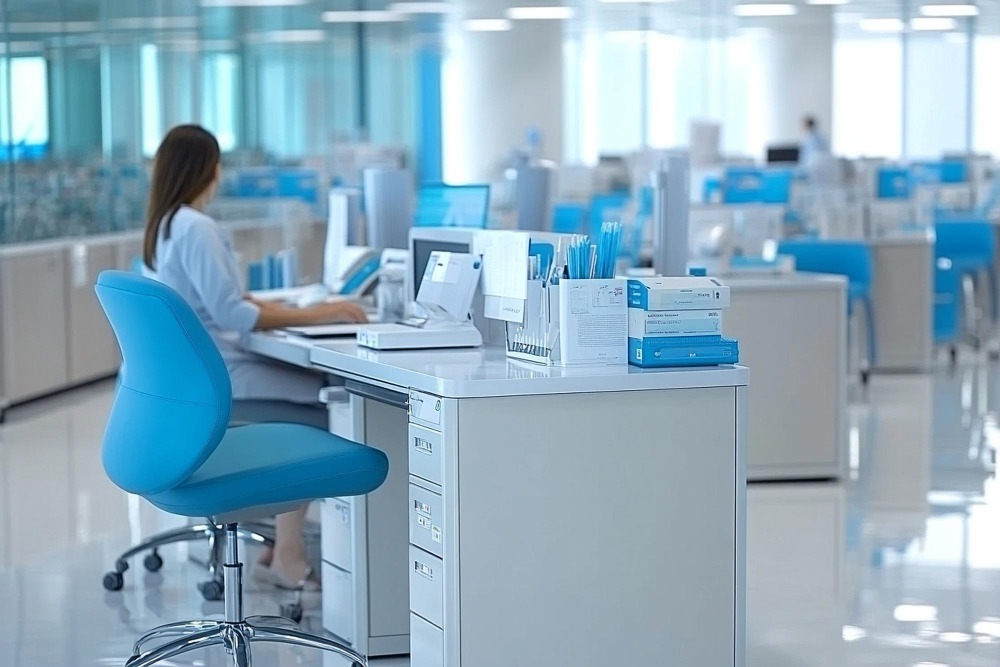
Enhancing Workflow with Advanced Lab Benches and Workstations

Lab Benches and Workstations: Enhancing Efficiency and Performance with Penta

In today’s laboratory setting functionality, longevity, and performance are key to achieving satisfactory outcomes and seamless functioning. Knowing this Penta is pleased to offer a full line of quality Lab benches and workstations to assist medical professionals, educators, and those working in industrial labs. An efficient design of a Lab workstation or set of Lab benches leads to increased workflow while also ensuring organization, long life, and worker safety.

Workspaces are changing and your laboratory should too.

The nature of work being done today in laboratories, the equipment being used and the volume of that work mandate flexible Lab workstations and durable Lab benches for efficiency and accurate results.

Importance of Lab Benches and Workstations in Modern Laboratories

Lab benches and workstations are at the heart of every laboratory. They provide dedicated spaces where researchers, technicians, and students can carry out experiments, testing, and analysis safely and efficiently. A well-designed workstation not only improves productivity but also creates a more organized and comfortable working environment.

In modern laboratories, lab benches and workstations help keep equipment, tools, and materials within easy reach. This allows users to work more efficiently while reducing unnecessary movement and saving valuable time. An organized workspace also helps maintain cleanliness and minimizes the risk of errors during daily laboratory operations.

Safety is another major advantage of quality lab benches and workstations. Built with durable materials, they are designed to withstand chemicals, heat, moisture, and heavy daily use. This helps create a safer laboratory environment while ensuring long-lasting performance.

Benefits of Lab Benches and Workstations

  • Improve workflow and productivity
  • Keep laboratory equipment organized
  • Provide comfortable and ergonomic workspaces
  • Offer long-lasting durability
  • Support a safe and efficient laboratory environment

Types of Lab Benches and Workstations Offered by Penta

At Penta, we offer a wide range of lab benches and workstations designed to suit different laboratory applications. Whether you’re setting up a new laboratory or upgrading an existing one, our solutions combine functionality, durability, and modern design.

Modular Lab Benches

Our modular lab benches provide excellent flexibility. They can be rearranged or expanded as your laboratory grows, making them ideal for research facilities, educational institutions, and industrial laboratories.

Wall-Mounted Workstations

Wall-mounted workstations are perfect for laboratories where space is limited. They help maximize floor space while creating a clean, organized, and efficient work environment.

Island Benches

Island benches are designed for laboratories where multiple users need to work together. They provide easy access from all sides, making them ideal for collaborative research, teaching laboratories, and testing facilities.

Custom Workstations

Every laboratory has unique requirements. That’s why Penta offers custom workstations designed to match your available space, workflow, equipment, and storage needs. Our customized solutions help create laboratories that are practical, efficient, and comfortable for everyday use.

Materials and Durability of Lab Benches and Workstations

Durable Materials for Long-Term Performance

Laboratories require furniture that can withstand daily use in demanding environments. Lab benches and workstations are regularly exposed to chemicals, moisture, heat, and heavy equipment, so choosing durable materials is essential for maintaining a safe and efficient workspace.

At Penta, our lab benches and workstations are manufactured using high-quality materials such as stainless steel, epoxy resin, and high-pressure laminates. These materials are resistant to corrosion, chemicals, and everyday wear, ensuring long-lasting performance with minimal maintenance. Built to handle heavy workloads, our furniture provides reliable support for years to come.

Designed for Comfort and Productivity

Comfort is just as important as durability in a laboratory. Researchers, technicians, and students often spend long hours at their workstations, making ergonomic design essential for improving productivity and reducing fatigue.

Penta designs lab benches and workstations with user comfort in mind. Features such as comfortable working heights, spacious work surfaces, and practical layouts help create an efficient working environment. A well-designed workstation allows users to focus on their tasks while maintaining better posture and reducing physical strain.

Smart Storage Solutions

An organized laboratory is a more productive laboratory. Proper storage helps keep equipment, chemicals, and laboratory supplies safely arranged and within easy reach.

Our lab benches and workstations include practical storage options such as drawers, cabinets, shelving units, and under-bench storage. These solutions help reduce clutter, improve workflow, and create a cleaner working environment. Well-organized workstations also contribute to improved safety by keeping essential items stored securely.

Customized to Meet Your Laboratory Needs

Every laboratory operates differently, which is why one-size-fits-all furniture is rarely the best solution. Penta offers customized lab benches and workstations designed to suit your available space, workflow, and operational requirements.

Whether you’re designing a medical laboratory, educational facility, research center, or industrial laboratory, our team works closely with you to develop furniture solutions that maximize efficiency while supporting future expansion.

Why Choose Penta for Lab Benches and Workstations?

Penta is committed to delivering laboratory furniture that combines quality, functionality, and durability. From planning and design to manufacturing and installation, we provide complete solutions tailored to every client’s needs.

Our experienced team focuses on creating practical laboratory environments that improve organization, safety, and productivity. Every project is completed with attention to detail, ensuring furniture that meets both industry standards and customer expectations.

Conclusion

Well-designed lab benches and workstations are essential for creating safe, efficient, and organized laboratory environments. They support daily operations, improve workflow, and provide the durability needed for demanding laboratory conditions.

At Penta, we provide high-quality laboratory furniture solutions that are built to last and designed to meet the needs of modern laboratories. By investing in reliable lab benches and workstations, you create a workspace that supports accuracy, productivity, and long-term success.
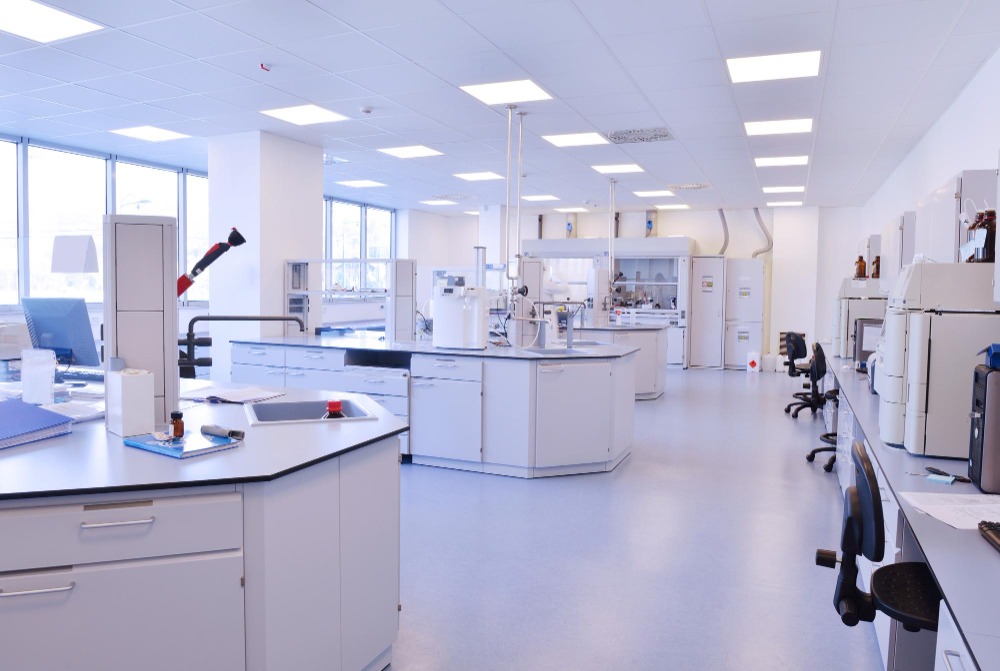
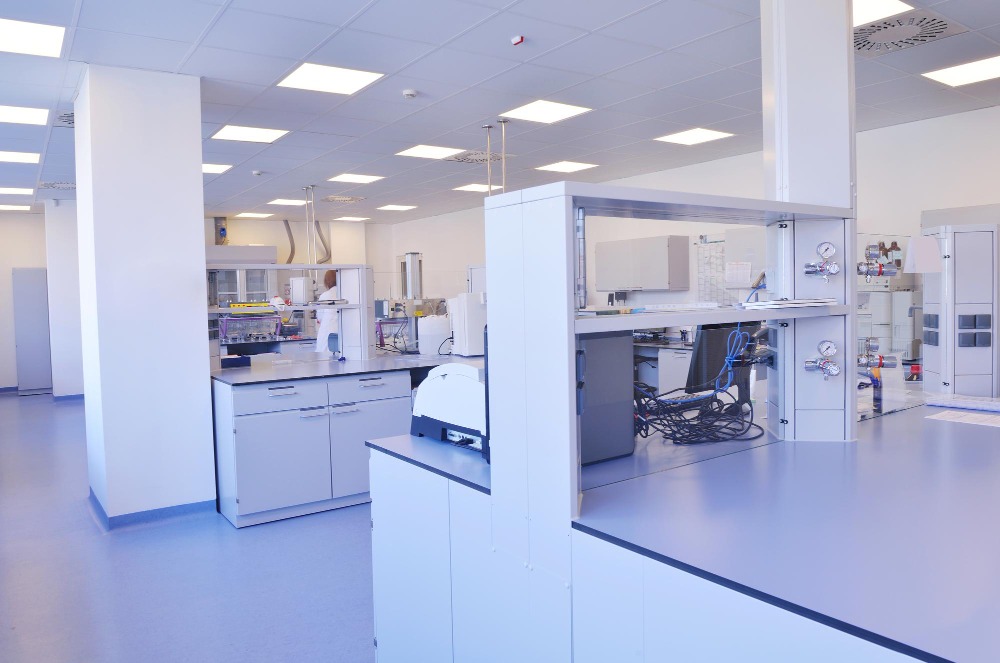
Modern scientific and research facilities benefit from Stainless steel lab workstations UAE that provide durability, corrosion resistance, and easy maintenance for demanding environments. Institutions also prefer Durable lab benches UAE for long-lasting performance, efficient workflow, and reliable support in educational, medical, and industrial settings.Lab benches and workstations are essential components of any functional laboratory, providing organized and efficient workspaces for various activities. Facilities often invest in Custom lab workstations UAE to meet specific operational needs, while Educational lab benches UAE and School lab workstations UAE are designed to support student learning and safety. Durable Chemical resistant lab benches UAE and Heavy duty lab benches UAE ensure long-term performance in demanding environments. Modern Lab bench systems UAE and Laboratory island benches UAE offer flexible layouts for collaborative work. With High quality lab workstations UAE and professional Lab bench installation UAE, laboratories can achieve improved efficiency, safety, and productivity.Designing Modern Laboratory Spaces for Efficiency, Safety, and Performance Introduction Modern laboratories are no longer just functional spaces filled with equipment—they are carefully planned environments designed to enhance productivity, ensure safety, and support innovation. Whether in healthcare, education, or industrial research, laboratories play a critical role in delivering accurate results and advancing knowledge. To achieve this, every element within the space must be thoughtfully designed, from layout and furniture to storage and safety systems. A well-structured laboratory environment enables professionals to perform tasks efficiently while minimizing risks. With increasing demands for precision and speed, laboratories must be equipped with solutions that support both current needs and future advancements. This is where strategic planning and high-quality infrastructure become essential. Importance of Efficient Laboratory Design Efficiency is the backbone of any successful laboratory. A poorly designed space can lead to workflow disruptions, safety hazards, and reduced productivity. On the other hand, a well-planned layout ensures that every task is carried out smoothly and effectively. Proper design focuses on the placement of equipment, accessibility of tools, and ease of movement within the space. When professionals can access everything they need without unnecessary delays, it significantly improves overall performance. Additionally, organized workspaces reduce errors, which is especially important in environments where accuracy is critical. Another key aspect is adaptability. Laboratories must be designed to accommodate changes in technology and processes. Flexible layouts and modular solutions make it easier to upgrade or reconfigure the space without major disruptions. Role of Quality Furniture in Laboratories Furniture is one of the most important components of a laboratory. It directly impacts how efficiently tasks are performed and how comfortable users feel while working. High-quality furniture provides a stable and durable platform for various activities, ensuring reliability and consistency. Good laboratory furniture is designed to withstand harsh conditions such as chemical exposure, heat, and heavy usage. Materials like stainless steel, epoxy resin, and high-pressure laminates are commonly used to ensure durability and resistance. These materials not only extend the lifespan of the furniture but also reduce maintenance requirements. In addition to durability, functionality is equally important. Well-designed furniture includes features such as integrated storage, cable management systems, and adjustable components. These features help create a more organized and user-friendly environment. Enhancing Workflow and Productivity An efficient workflow is essential for achieving accurate results in any laboratory setting. The design of the workspace should support seamless movement and minimize interruptions. This can be achieved by organizing work zones based on specific tasks and ensuring that equipment is placed strategically. For example, separating areas for testing, analysis, and storage helps maintain order and prevents cross-contamination. Clear pathways and well-defined workstations allow multiple users to work simultaneously without interference. Technology also plays a significant role in improving workflow. Modern laboratories often integrate digital systems for data management, equipment monitoring, and communication. These systems streamline operations and reduce manual errors, making processes more efficient. Safety Considerations in Laboratory Environments Safety is a top priority in any laboratory. The presence of chemicals, equipment, and complex procedures makes it essential to implement strict safety measures. A well-designed laboratory incorporates safety features that protect both users and the environment. Key safety elements include proper ventilation systems, fire-resistant materials, and secure storage for hazardous substances. Emergency equipment such as eye wash stations, safety showers, and fire extinguishers should be easily accessible. In addition, clear labeling and signage play a crucial role in maintaining safety. They provide important information about potential hazards and guide users on how to handle materials safely. Regular maintenance and inspections further ensure that all safety systems are functioning effectively. Importance of Ergonomics Ergonomics is often overlooked but plays a vital role in laboratory design. Poor ergonomics can lead to discomfort, fatigue, and even long-term health issues. By incorporating ergonomic principles, laboratories can create a more comfortable and productive working environment. Adjustable furniture, proper lighting, and adequate spacing are key elements of ergonomic design. These features allow users to work in natural positions, reducing strain on the body. Comfortable seating and appropriate work heights also contribute to better posture and increased efficiency. An ergonomic workspace not only improves user well-being but also enhances focus and accuracy. When individuals are comfortable, they are more likely to perform tasks with precision and attention to detail. Storage and Organization Effective storage solutions are essential for maintaining a clean and organized laboratory. Cluttered spaces can lead to confusion, errors, and safety hazards. Proper storage systems ensure that all tools, equipment, and materials are easily accessible and securely stored. Cabinets, drawers, and shelving units should be designed to accommodate different types of items. Specialized storage for chemicals and sensitive equipment helps prevent damage and contamination. Labeling systems further enhance organization by making it easy to identify and locate items. An organized laboratory not only improves efficiency but also creates a more professional and visually appealing environment. It allows users to focus on their tasks without distractions, leading to better results. Customization and Flexibility Every laboratory has unique requirements based on its purpose and operations. Customization allows organizations to design spaces that meet their specific needs. From layout and furniture to storage and equipment, every element can be tailored to enhance functionality. Flexible solutions are particularly important in modern laboratories. As technology evolves, the ability to adapt to new processes and equipment becomes crucial. Modular designs and adjustable components make it easier to modify the workspace without major renovations. Customization also ensures that the laboratory aligns with industry standards and regulations. By incorporating the right features and materials, organizations can create environments that support safe and efficient operations. Applications Across Different Sectors Laboratories are used in a wide range of sectors, each with its own requirements and challenges. In healthcare, laboratories play a critical role in diagnostics and patient care. Accuracy and speed are essential, making efficient design and high-quality infrastructure crucial. In educational institutions, laboratories provide students with hands-on learning experiences. Well-designed spaces enhance learning by creating an environment that supports experimentation and discovery. Industrial laboratories focus on research, testing, and quality control. These environments require robust and durable solutions that can handle heavy usage and complex processes. Despite these differences, the core principles of efficiency, safety, and functionality remain consistent across all types of laboratories. Future Trends in Laboratory Design The future of laboratory design is driven by innovation and technology. Smart laboratories are becoming increasingly popular, integrating advanced systems for automation, data management, and monitoring. These technologies improve efficiency and reduce the risk of human error. Sustainability is another important trend. Laboratories are adopting eco-friendly practices such as energy-efficient lighting, water-saving systems, and sustainable materials. These initiatives not only reduce environmental impact but also lower operational costs. Collaborative spaces are also gaining importance. Modern laboratories are designed to encourage teamwork and knowledge sharing. Open layouts and shared work areas promote interaction and innovation. As these trends continue to evolve, laboratories will become more efficient, sustainable, and adaptable to future needs. Conclusion Designing a modern laboratory requires a comprehensive approach that considers efficiency, safety, and user comfort. From layout and furniture to storage and technology, every element plays a crucial role in creating a functional and productive environment. By investing in high-quality infrastructure and thoughtful design, organizations can ensure that their laboratories meet current demands and are prepared for future advancements. A well-designed laboratory not only improves performance but also supports innovation, accuracy, and long-term success.Integration of Advanced Equipment and Technology Modern laboratories rely heavily on advanced equipment to achieve precision, speed, and reliability. From microscopes and centrifuges to digital testing machines, laboratories require a seamless integration of technology with the physical workspace. Thoughtfully designed laboratory spaces allow professionals to access and operate equipment efficiently while ensuring safety. Automation has transformed many laboratory processes. Automated sample handling, robotic testing systems, and intelligent monitoring solutions reduce manual workload and minimize human error. Integrating these technologies into laboratory workflows also increases throughput, allowing professionals to conduct more tests or experiments in less time. Digital solutions such as laboratory information management systems (LIMS) enhance operational efficiency. These systems track samples, manage data, and streamline reporting processes, reducing administrative burdens and improving accuracy. Proper laboratory design considers both the placement and connectivity of equipment to maximize productivity. Workflow Optimization Through Space Planning Optimizing workflow is essential for any laboratory, whether it is for education, research, or industrial applications. Workflow efficiency is largely influenced by the spatial arrangement of work areas, equipment, and storage. A poorly planned space can lead to bottlenecks, unnecessary movement, and even safety hazards. Modern laboratory layouts are often divided into functional zones: preparation, testing, analysis, and storage. Separating these zones ensures that work processes do not interfere with one another. It also allows multiple users to perform tasks simultaneously without disrupting each other’s work. Additionally, clear pathways for movement are essential. Adequate spacing around equipment, benches, and storage units allows staff to navigate the laboratory safely. Incorporating mobility considerations, such as rolling carts and adjustable benches, further enhances workflow efficiency. Importance of Ventilation and Environmental Controls Proper ventilation and environmental control are critical components of laboratory design. Laboratories often handle chemicals, biological samples, or sensitive materials, which require controlled temperature, humidity, and airflow conditions. High-quality ventilation systems protect personnel from harmful fumes, reduce contamination risks, and maintain a safe working environment. In chemical and biological labs, fume hoods, exhaust systems, and air purification units are essential to prevent exposure to hazardous substances. Temperature and humidity control are also important, especially in laboratories conducting sensitive research or storing delicate samples. Climate-controlled storage and equipment ensure the integrity of experiments and prevent material degradation. Enhancing Safety Through Design Safety in a laboratory extends beyond equipment and protocols; it is also influenced by design choices. Ergonomically positioned workstations, proper lighting, and clear signage all contribute to a safer working environment. Emergency preparedness is another key aspect. Laboratories should include easily accessible emergency exits, safety showers, and fire extinguishers. Additionally, properly designed storage for flammable or hazardous materials reduces the risk of accidents. Designing safety into the laboratory from the start is more effective than retrofitting safety features later. Proper layouts, materials, and equipment placement help prevent injuries and minimize risks, ensuring both personnel and experiments remain protected. Sustainable Practices in Laboratory Design Sustainability is increasingly important in laboratory design. Laboratories consume significant energy, water, and resources, which can impact operational costs and the environment. Implementing sustainable practices reduces energy consumption, minimizes waste, and promotes long-term efficiency. Energy-efficient lighting, smart HVAC systems, and motion-sensor equipment help lower energy use. Water-saving systems for sinks, cooling, and cleaning processes contribute to resource conservation. Selecting durable, eco-friendly materials for work surfaces, benches, and flooring ensures longevity and reduces replacement needs. Sustainable practices not only benefit the environment but also create healthier and more efficient workspaces. Collaboration and Learning Spaces Modern laboratories are not only for individual work; they are also hubs of collaboration and learning. Spaces that promote teamwork allow professionals to share insights, discuss results, and innovate together. Flexible layouts with movable benches and shared workstations encourage interaction. Breakout areas for group discussions, meeting spaces, and digital collaboration tools foster communication among team members. In educational laboratories, collaborative designs enhance student learning. Students can observe experiments, participate in group activities, and gain hands-on experience in a safe environment. This interaction not only improves understanding but also builds critical thinking and problem-solving skills. Maintenance and Longevity of Laboratory Infrastructure Regular maintenance is essential to ensure that laboratory environments remain functional and safe. Durable surfaces, resistant materials, and well-planned storage reduce wear and tear over time. Workstations, benches, and storage units should be inspected periodically to identify damage or potential hazards. Proper cleaning protocols, including the use of chemical-resistant surfaces, prevent degradation and contamination. High-quality construction and thoughtful maintenance strategies extend the lifespan of laboratory furniture, equipment, and overall infrastructure. This not only reduces replacement costs but also ensures consistent performance for years to come. Adapting Laboratories for Future Needs The pace of scientific and industrial advancement means laboratories must evolve constantly. Flexible and modular designs allow facilities to adapt to new processes, technologies, or increased demand. Modular furniture, movable workstations, and configurable storage systems allow laboratories to expand or reconfigure with minimal disruption. Future-ready laboratories can accommodate new equipment, technological upgrades, and emerging research requirements without costly renovations. Planning for future growth ensures that laboratories remain effective, efficient, and relevant as industry standards and scientific needs change. The Role of Training and Professional Development Even the best-designed laboratory requires skilled professionals to maximize its potential. Training programs help users understand proper procedures, equipment operation, and safety protocols. Continuous professional development ensures that laboratory staff stay updated on the latest techniques, equipment, and regulations. By combining advanced infrastructure with well-trained personnel, laboratories can achieve higher efficiency, accuracy, and innovation. Educational institutions, in particular, benefit from this approach. Students trained in modern laboratory environments gain practical skills and experience that prepare them for real-world challenges. The Impact of Aesthetic and Functional Design While functionality is critical, aesthetics also influence the usability and comfort of laboratories. Clean, organized, and visually appealing spaces enhance focus, reduce stress, and create a professional atmosphere.

Why should you choose Penta for Lab benches and workstations solutions?

You should choose Penta for Lab benches and workstations because Penta provides high-quality, durable, and customized laboratory furniture designed to improve efficiency, safety, and workflow. Penta ensures that Lab benches and workstations are built using premium materials, ergonomic designs, and flexible layouts to meet the needs of modern laboratories across medical, educational, and industrial sectors.

What are lab benches and workstations used for?

Lab benches and workstations provide a safe and organized space for laboratory testing, research, and daily work.

Why are stainless steel lab workstations a good choice?

Stainless steel workstations are durable, easy to clean, resistant to corrosion, and suitable for laboratory environments.

What materials are commonly used for lab workstations?

Common materials include stainless steel, epoxy resin, laminate, and chemical-resistant surfaces.

Are stainless steel lab workstations easy to maintain?

Yes, they require simple cleaning and regular maintenance to keep them in excellent condition.

Can lab workstations include storage?

Yes, many lab workstations come with built-in drawers, cabinets, and shelving for convenient storage.

How long do lab benches and workstations last?

High-quality lab benches and workstations can last for many years with proper care and regular maintenance.

What Are the Key Features of Lab Benches and Workstations?

FeatureDescriptionBenefitApplication
Durable MaterialsBuilt with chemical-resistant and strong surfacesEnsures long-term usageMedical & Industrial Labs
Ergonomic DesignDesigned for user comfort and efficiencyReduces fatigue and improves productivityEducational & Research Labs
Storage IntegrationIncludes cabinets, drawers, and shelvesKeeps workspace organizedAll Laboratory Types
Modular FlexibilityAdjustable and customizable layoutsAdapts to changing lab needsModern Laboratories

Leave a Reply

Your email address will not be published. Required fields are marked *

Comments

  1. We purchased Lab benches and workstations from Penta, and we are very satisfied with the quality. The furniture is strong, practical, and has improved the organization of our laboratory. The team was professional, completed the installation on time, and provided excellent service. We highly recommend Penta for quality lab furniture solutions.