
Comprehensive Medical Simulation Lab Solutions for Advanced Healthcare Training in UAE
Today, in the ever increasing and fast developed health-care industry, practical training has become equally significant as theoretical education, and Penta is an essential factor in this changeover. With increased general awareness and especially in the healthcare arena, doctors, physicians & nurses are now expected to execute complicated procedures, emergency cases & vital patient care efficiently. The intensification in prerequisites has made a medical simulation lab an indispensable part of any medical campus. It is a simulated and controlled environment to execute actual clinical scenarios on computerized mannequins, diagnostics and equipment without risking patient safety.
These simulated environments are examples of how hospitals can train their new associates on technical skills in a safe environment, reducing the risk of mistakes when they are on real hospital wards. Investing in a structured, comprehensive training system, additional hospital layouts, and up-to date equipment is a cost-efficient way to train staff to university standards.
The Importance of Medical Simulation Labs in Healthcare Education
A medical simulation lab has become an essential part of modern healthcare education. It provides a safe and realistic environment where students, doctors, nurses, and healthcare professionals can practice medical procedures without putting real patients at risk. By combining advanced technology with hands-on learning, these labs help learners build confidence, improve clinical skills, and prepare for real-world medical situations.
At Penta, we design and develop medical simulation labs that support effective learning, efficient workflows, and long-term performance. Our solutions are tailored to meet the needs of medical colleges, universities, hospitals, and healthcare training centers.
Bridging the Gap Between Theory and Practice
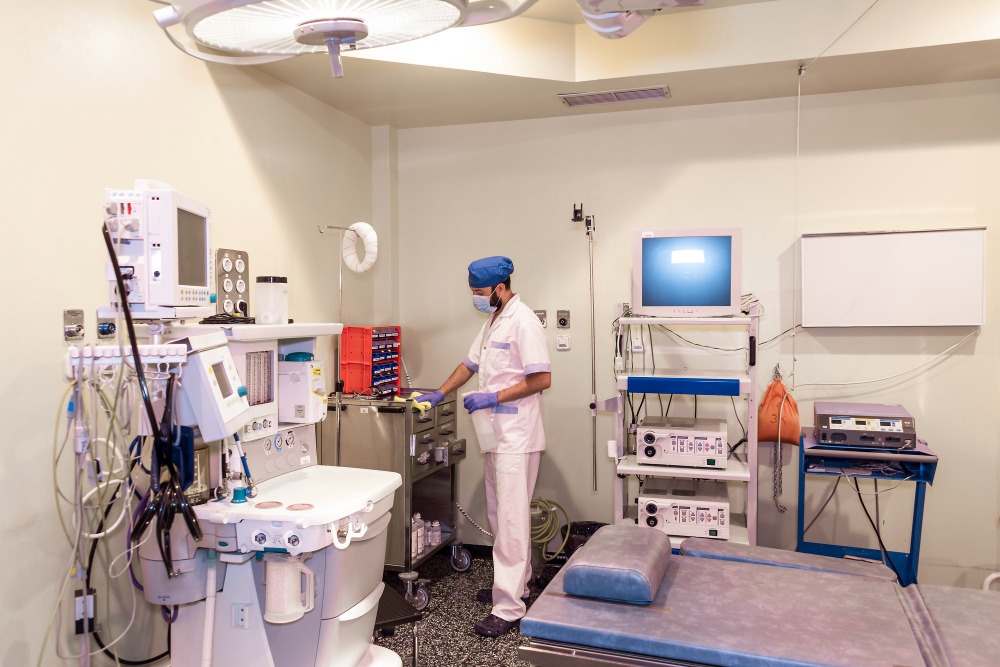
Classroom learning provides a strong foundation, but practical experience is essential for healthcare professionals. A medical simulation lab allows learners to apply their knowledge in realistic clinical scenarios such as emergency care, patient assessment, surgical procedures, and critical care.
These simulated environments closely reflect real hospital settings, helping students gain valuable hands-on experience before working with actual patients. This practical approach improves both technical skills and clinical decision-making.
Consistent and Standardized Training
One of the biggest advantages of a medical simulation lab is the ability to provide consistent training for every learner. Each student can practice the same clinical scenarios, ensuring equal learning opportunities and standardized skill development.
This consistency is especially important for healthcare institutions that must meet strict quality standards and accreditation requirements. With Penta’s professionally designed simulation labs, institutions can deliver structured and reliable training programs that support long-term educational goals.
Educational Benefits
A medical simulation lab helps learners:
- Improve clinical decision-making skills
- Build confidence before treating real patients
- Strengthen teamwork and communication
- Reduce risks during practical training
- Support competency-based healthcare education
Supporting Continuous Professional Development
Learning in healthcare never stops. A medical simulation lab is also valuable for experienced healthcare professionals who want to refresh their knowledge, practice new procedures, and stay updated with the latest medical technologies.
Penta designs flexible simulation labs that can adapt to changing training needs, allowing institutions to expand or upgrade their facilities as healthcare practices continue to evolve.
Meeting International Healthcare Standards
Simulation-based learning has become an important requirement in many healthcare education programs worldwide. A well-equipped medical simulation lab helps hospitals, universities, and training centers meet international education and accreditation standards while improving the quality of healthcare training.
By partnering with Penta, institutions invest in modern learning environments that support patient safety, practical education, and professional excellence.
Penta is committed to delivering innovative, future-ready medical simulation labs that combine smart design, durable infrastructure, and advanced technology to help healthcare institutions prepare the next generation of medical professionals.
Penta’s Turnkey Medical Simulation Lab Solutions
Complete Medical Simulation Lab Solutions by Penta
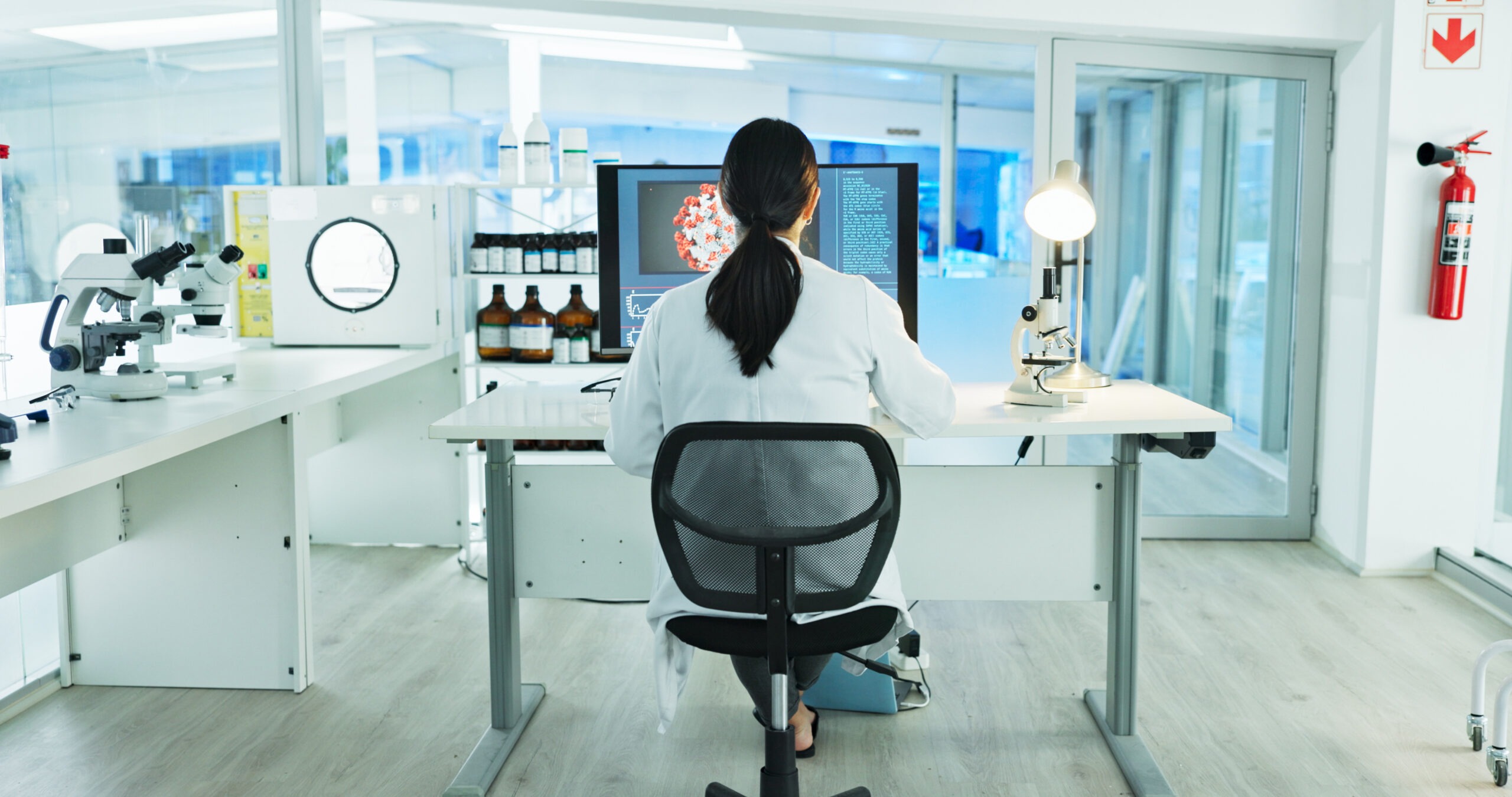
Penta offers complete turnkey solutions for every medical simulation lab, managing the entire process from planning and design to installation and long-term support. Every project starts with a detailed consultation to understand the institution’s training goals, available space, and future requirements.
Based on these needs, our team designs a customized medical simulation lab that supports effective learning, smooth workflows, and long-term flexibility.
Flexible and Future-Ready Designs
Healthcare education is constantly evolving, so learning environments need to keep pace. Penta designs every medical simulation lab using modular systems that can be easily reconfigured as training programs expand or new technologies are introduced.
This flexible approach allows institutions to upgrade their facilities without major renovations, making the investment more practical and cost-effective over time.
Comfortable Learning Environments
Comfort plays an important role in effective learning. That’s why Penta focuses on ergonomic design when creating every medical simulation lab.
Our laboratories include well-planned workstations, ergonomic furniture, and organized layouts that help reduce physical strain during long training sessions. This allows students and instructors to stay comfortable and fully focused on developing clinical skills.
Key Features of Penta Medical Simulation Labs
- Customized laboratory layouts
- Durable and easy-to-maintain materials
- Ergonomic furniture and workstations
- Flexible and scalable modular designs
- Compliance with international healthcare standards
Smart Technology Integration
Modern healthcare training depends on technology. Penta integrates advanced digital systems into every medical simulation lab, allowing instructors to monitor learner performance, track progress, and provide personalized feedback.
These smart technologies create an interactive learning environment that helps students improve their skills through continuous assessment and practical experience.
Designed with Safety in Mind
Safety is a key priority in every medical simulation lab. Penta uses high-quality materials, reliable furniture systems, and carefully planned layouts that comply with healthcare safety standards.
Our goal is to create a secure and comfortable learning environment where students and instructors can focus on practical training with confidence.
Suitable for Multiple Healthcare Disciplines
Penta develops medical simulation labs for a wide range of healthcare institutions, including nursing colleges, medical universities, hospitals, and healthcare training centers.
Whether the focus is nursing education, emergency care, clinical skills, or surgical training, every simulation lab is customized to support specific educational objectives.
Long-Term Benefits for Institutions
Investing in a professionally designed medical simulation lab provides lasting value. Better-trained healthcare professionals contribute to improved patient care, fewer medical errors, and greater operational efficiency.
Modern simulation facilities also reduce long-term training costs while helping institutions maintain high educational standards and adapt to changing healthcare practices.
Strengthening Institutional Reputation
A well-equipped medical simulation lab enhances the reputation of healthcare institutions. Modern training facilities attract students, experienced educators, healthcare professionals, and research partnerships while demonstrating a commitment to quality education and patient safety.
With durable materials, flexible layouts, and future-ready designs, Penta delivers simulation labs that continue to support healthcare education for many years.
Conclusion
Practical training has become an essential part of modern healthcare education. Well-designed simulation labs help students and healthcare professionals build confidence, improve clinical skills, and prepare for real-world medical challenges in a safe environment.
At Penta, we combine expert planning, innovative design, advanced technology, and professional installation to create medical simulation labs that support effective learning today while remaining adaptable for the future. Our solutions help healthcare institutions improve training quality, strengthen patient safety, and achieve long-term educational excellence.


What is a medical simulation lab and how does Penta support it?
A medical simulation lab is a specialized training environment designed to help healthcare students and professionals practice clinical procedures in a safe and controlled setting. Penta supports medical simulation labs by providing complete solutions, including customized layouts, ergonomic furniture, advanced equipment integration, and long-term technical support to ensure effective and realistic healthcare training.
How Much Does It Cost to Set Up a Medical Simulation Lab?
The cost of setting up a medical simulation lab depends on factors such as the size of the lab, furniture, simulation equipment, and technology requirements. Basic setups are generally more affordable, while advanced labs with specialized training systems require a higher investment.
How Do Medical Simulation Labs Improve Patient Safety?
Medical simulation labs improve patient safety by allowing students and healthcare professionals to practice procedures, develop clinical skills, and learn how to respond to emergencies in a controlled environment. This hands-on training helps reduce errors and builds confidence before working with real patients.
Why Is a Medical Simulation Lab Important?
It helps learners gain practical experience, improve skills, and build confidence before treating real patients.
How Long Does It Take to Set Up a Medical Simulation Lab?
The setup time varies based on the lab size, equipment requirements, and level of customization.
How Do I Choose the Right Medical Simulation Lab Supplier?
Choose a supplier with experience, quality products, customization options, and reliable support services.
What Are the Benefits of a Medical Simulation Lab?
A medical simulation lab helps improve practical skills, teamwork, confidence, and hands-on learning in a safe environment.
| Component | Description | Benefit |
|---|---|---|
| Simulation Equipment | High-fidelity manikins and clinical training systems. | Enables realistic hands-on medical practice. |
| Lab Furniture | Ergonomic workstations, tables, and storage units. | Improves comfort and workflow efficiency. |
| Digital Systems | Monitoring, recording, and assessment tools. | Supports performance analysis and learning. |
| Safety & Hygiene | Easy-to-clean surfaces and organized layouts. | Ensures safe and compliant training environments. |
We chose Penta for our medical simulation lab project and had a great experience. The furniture is high quality, practical, and perfectly suited for training purposes. The team was professional, helpful, and completed the installation smoothly. We are very happy with the final setup.